47warlord
-
Los Algodones
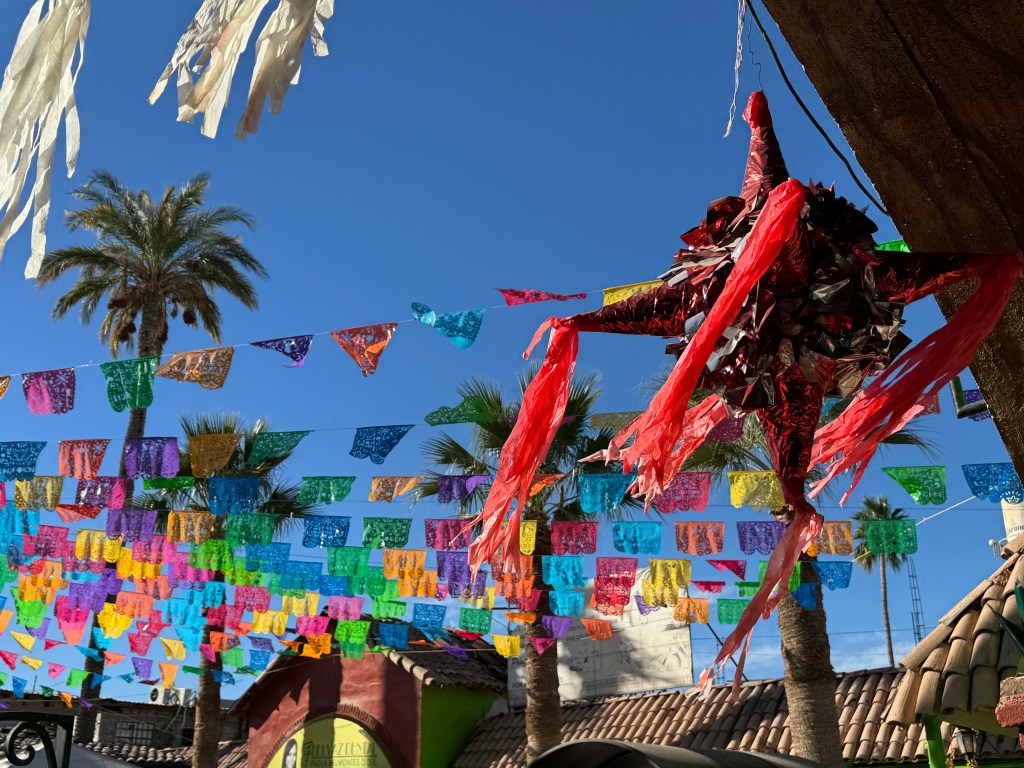
Our friend Deanie escorted us across the Mexican border near Yuma to the town of Los Algodones (The Cotton Plants) for some bargain shopping. Colorful decorations and ceramics filled multiple shops, but the most popular places for visiting seniors were pharmacies and dental offices!
-
Yuma Sunset
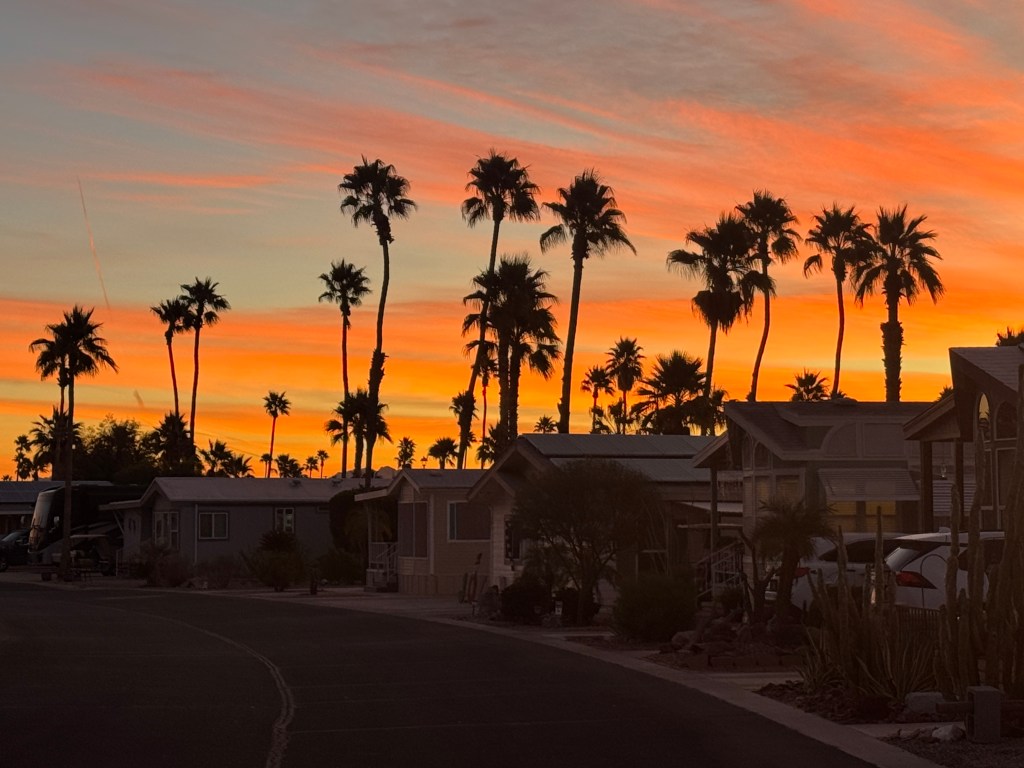
Palm trees tower over a street of manufactured homes at sunset in one of Yuma’s many retirement communities. Warm winters and plenty of activities (we floated in an outdoor pool and enjoyed line dancing) make it a magnet for seniors from across North America.
-
Cabbage Harvesters
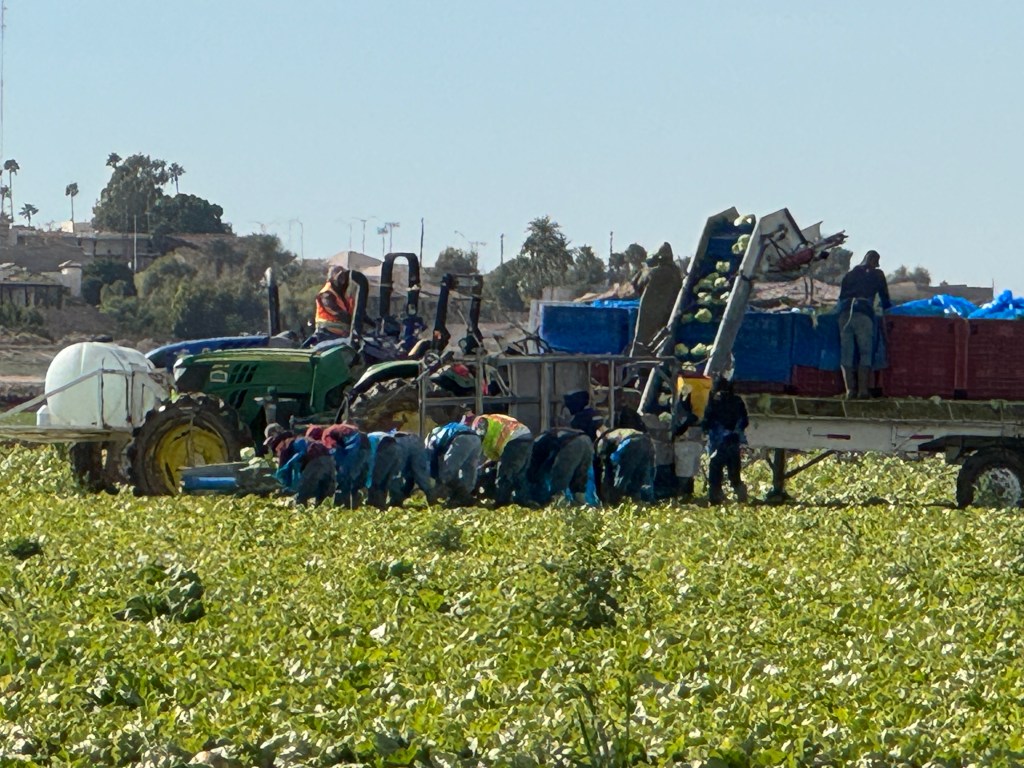
Yuma, Arizona grows most of the green vegetables that Americans eat from November to March. It’s impressive how quickly a line of workers can cut and toss heads of cabbage onto a conveyer belt – for hours at a time. It also shows how dependent we are on low-paid workers for basic foods.
-
Date Palms
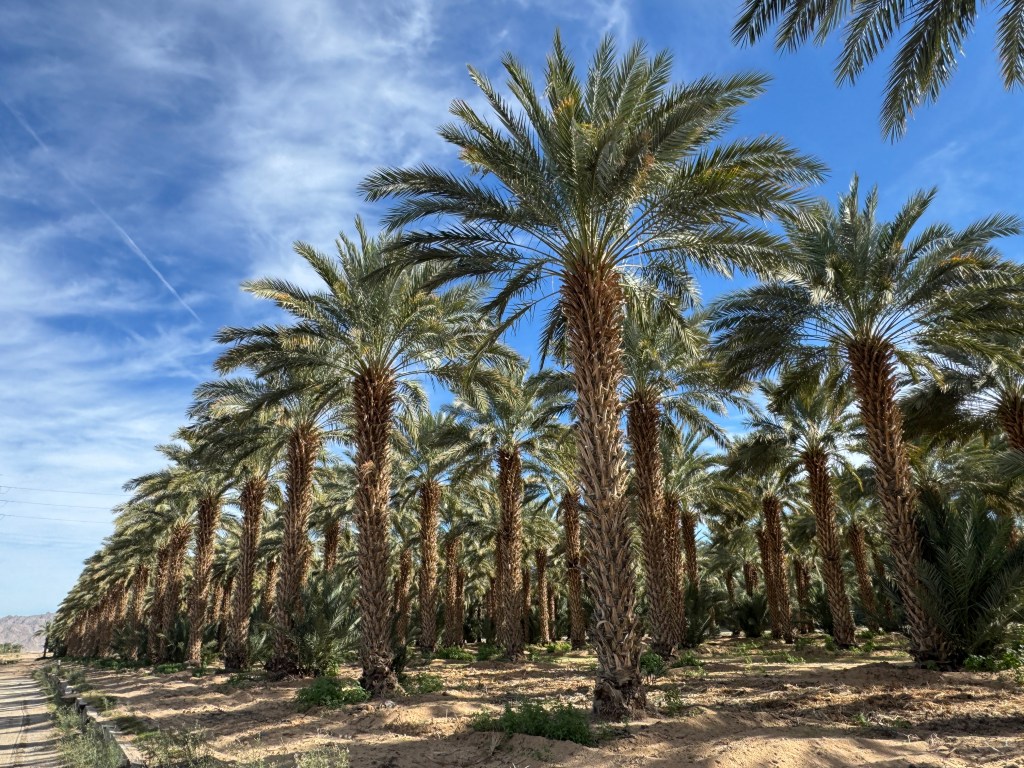
We visited our friend Deanie in Yuma, Arizona for a couple days, where we walked through a grove of date palms, learned how labor intensive it is to produce the sweet fruits, and sampled a date shake. Most of these Medjool dates are shipped to the Middle East, where they are highly prized.
-
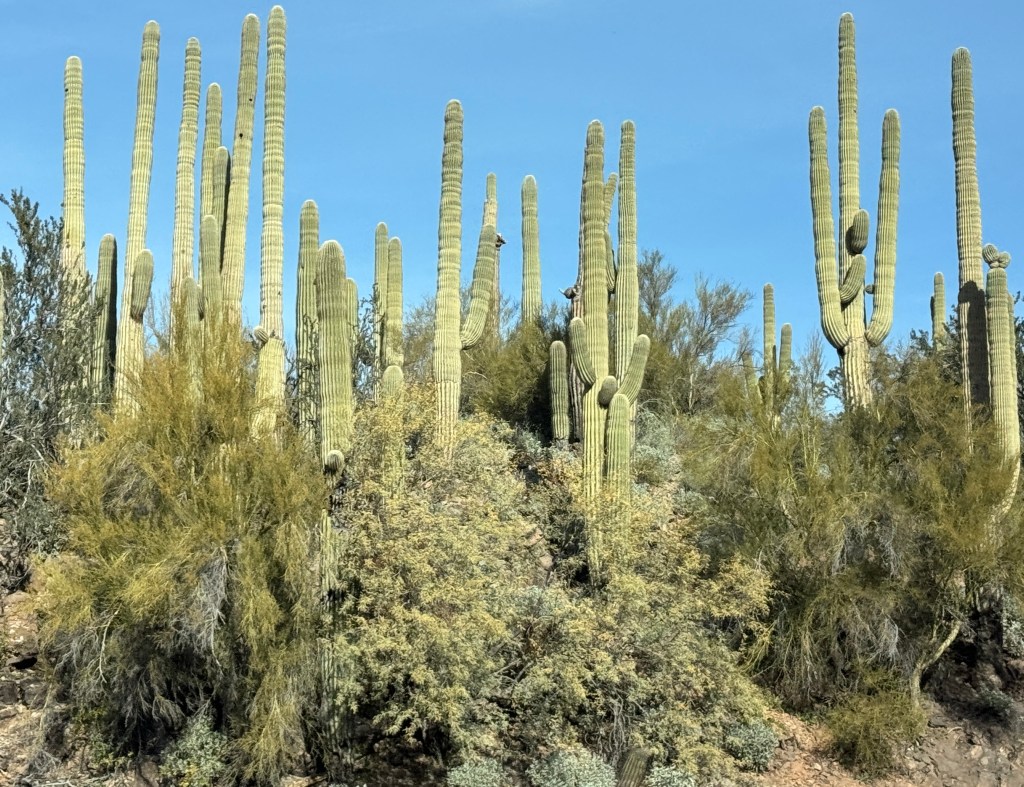
Cactus Country
As we began our return trip from Gallup to Spokane, our first stop was with a friend in the Phoenix area. She showed us the artsy town of Cave Creek in the nearby hills, surrounded by cacti that gave it the feel of the Wild West.
-
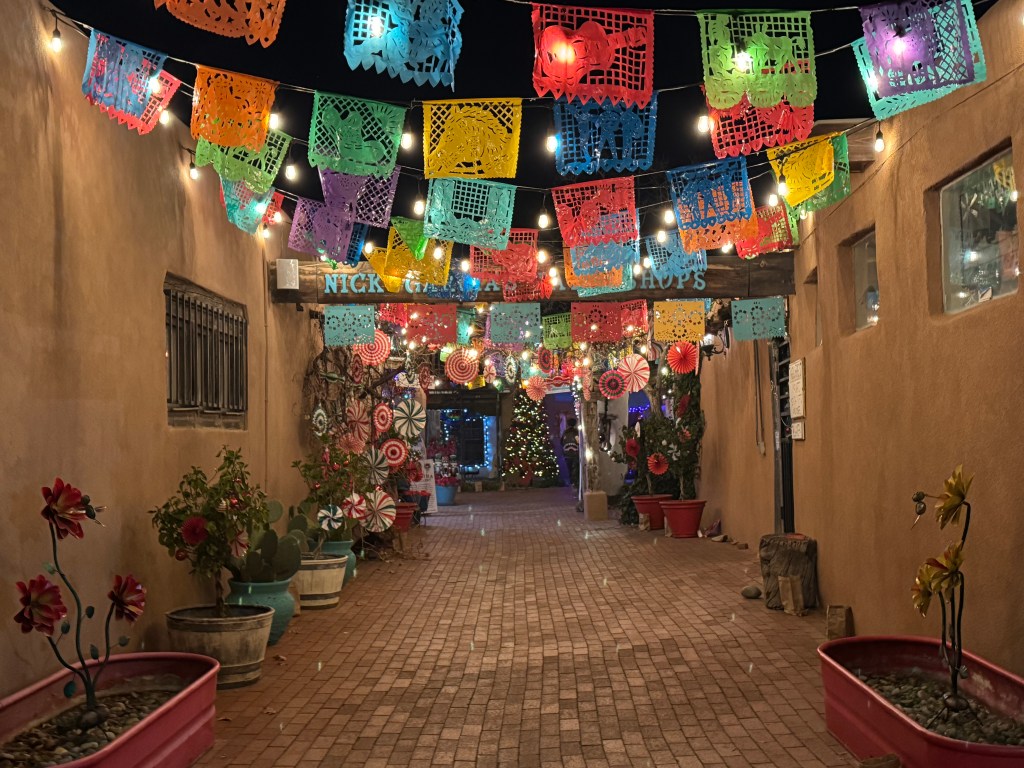
Albuquerque Old Town
We wandered through Old Town in Albuquerque one weekend evening in mid-December. Each little alley featured its own colors and lights, inviting you to slow down and enjoy the history and good food to be found in this historic part of a modern city.
-
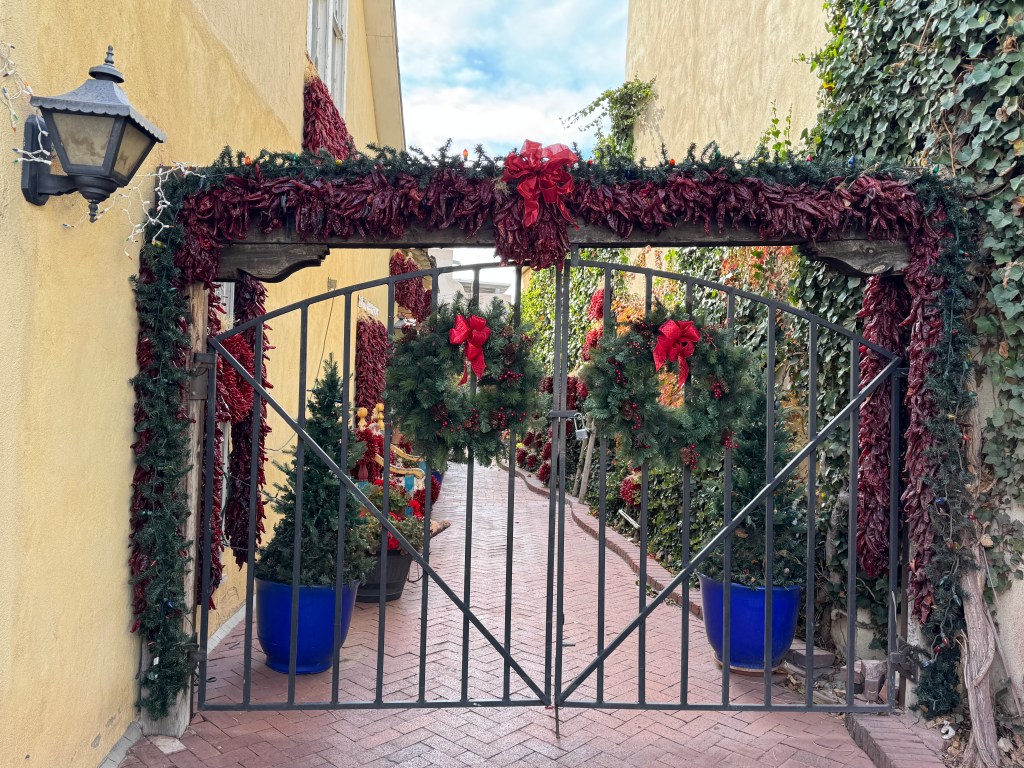
Red Peppers
Our weekend visit to Albuquerque’s Old Town reminded us why New Mexico honors red peppers on their license plates. They are everywhere, hanging in long red bunches or appearing on menus and store shelves. Even adding some color to holiday decorations like these.
-
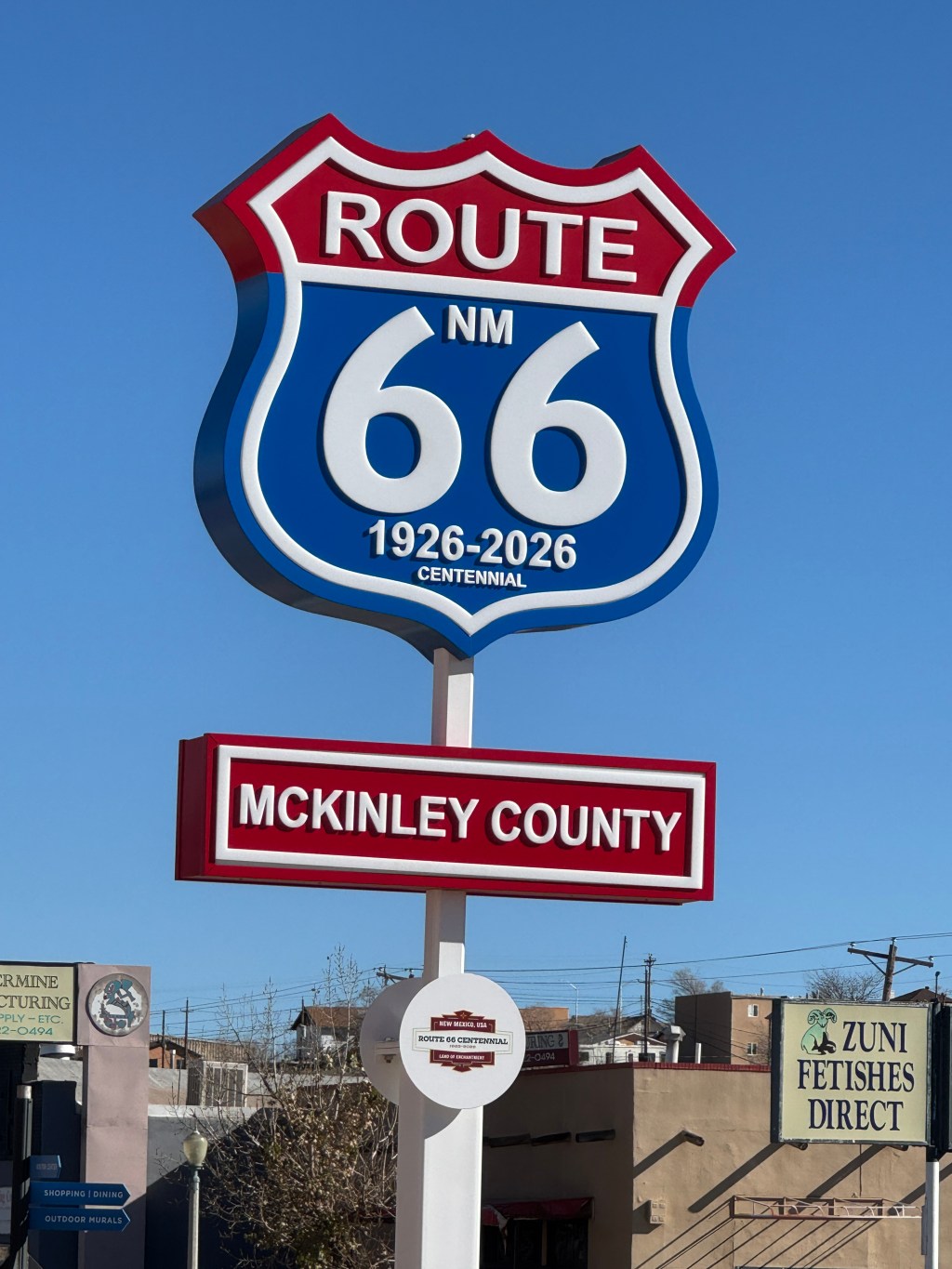
Route 66
Gallup is a stop on Route 66; the historic highway turns 100 this year and runs right through downtown. In the 1930s, it funneled Dust Bowl refugees toward California. Today it’s paralleled by Interstate 40 and a steady stream of semis hauling the stuff we buy from coast to coast.
-
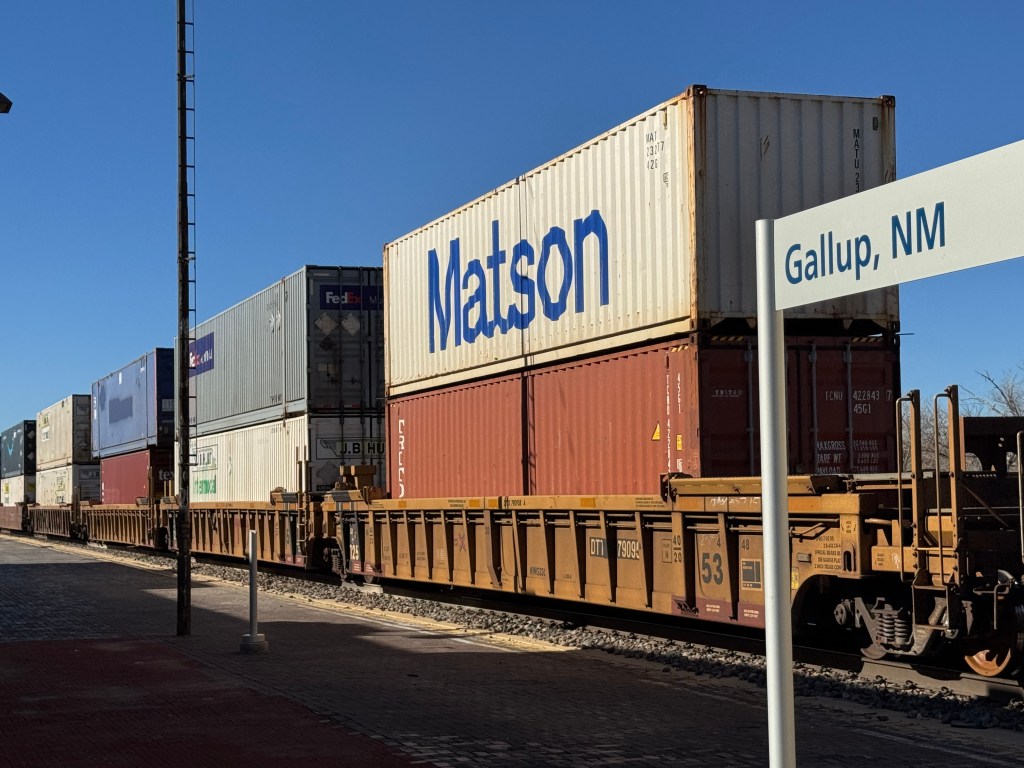
Container Train
Gallup, New Mexico is just west of a nearly level pass over the Continental Divide, so it’s a major transportation corridor. As many as 120 trains loaded with containers or cargo pass through every day (about every 12 minutes) running between California ports and Midwest warehouses.
-
Farewell Sunset
The next to last day of our month-long stay at Rehoboth Christian School in Gallup, NM, we were blessed with a magnificent sunset that filled the horizon with color. Here the rocks are an intense red, and sometimes so is the sky!

-
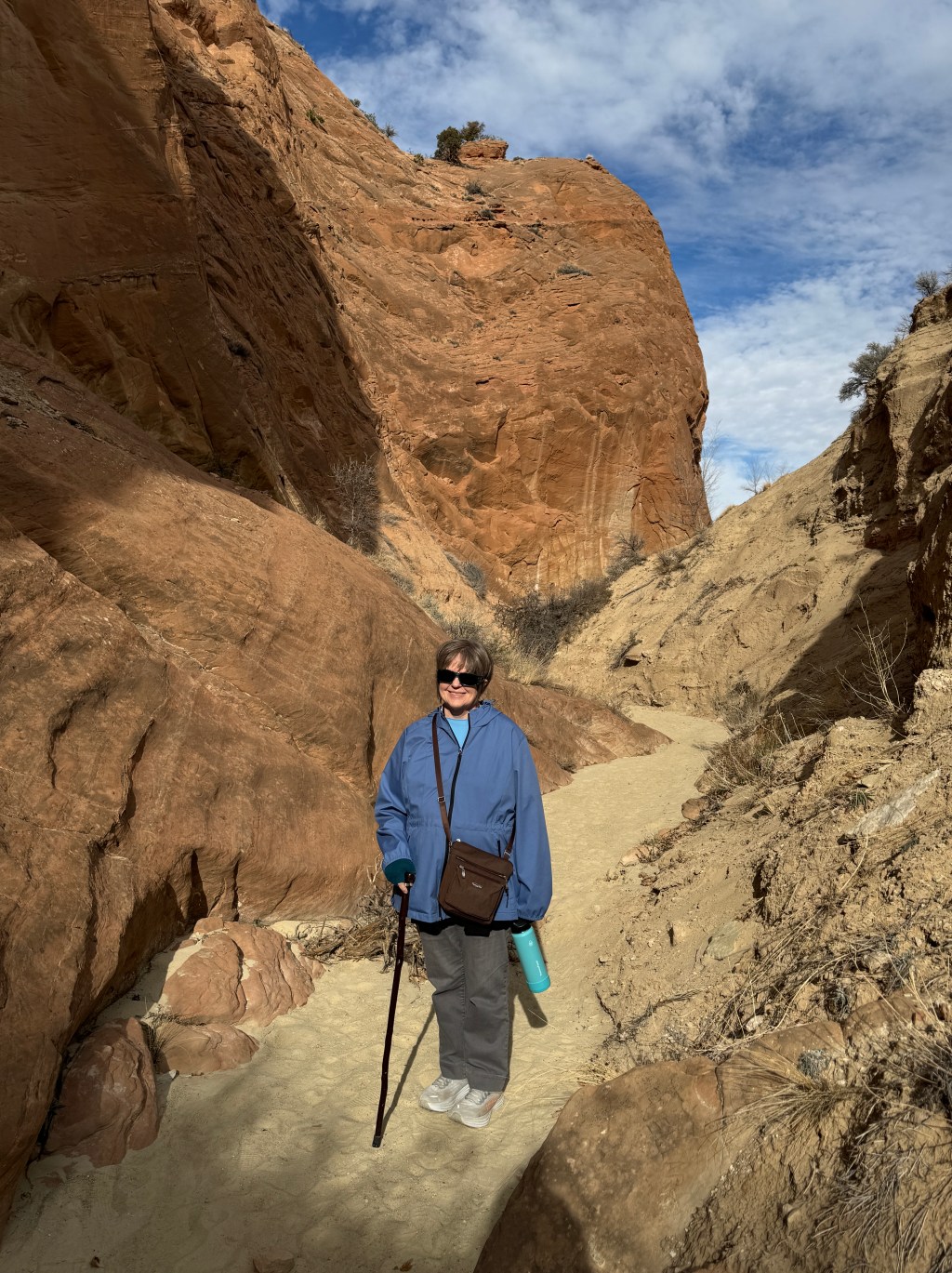
Canyon Walls
Elaine and I walked into this canyon about a half mile from Rehoboth School for a quick afternoon hike on a lovely mid-December day. Beauty is all around us in this part of New Mexico!
-
Canyon Hike
This red rock canyon on the edge of Rehoboth Christian School’s campus offers an easy hike into the beauty of the landscape around Gallup, NM.

-
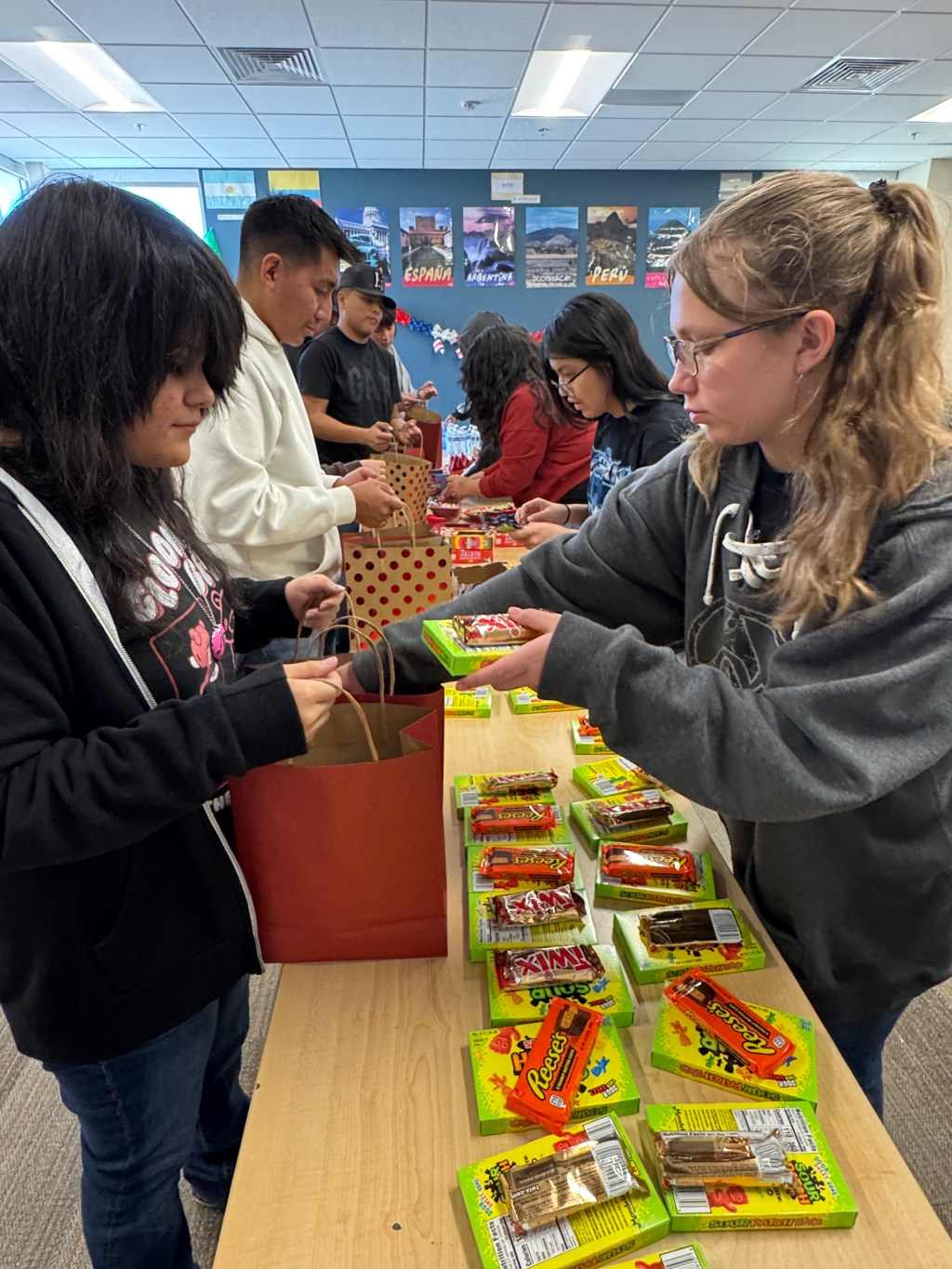
Gift Bags
The Spirituality & Psychology class at Rehoboth Christian School fills up gift bags with treats that they will give to the dispatchers at the local Gallup 911 center. It’s a way to show appreciation for their services while learning about careers that help serve their community.
-
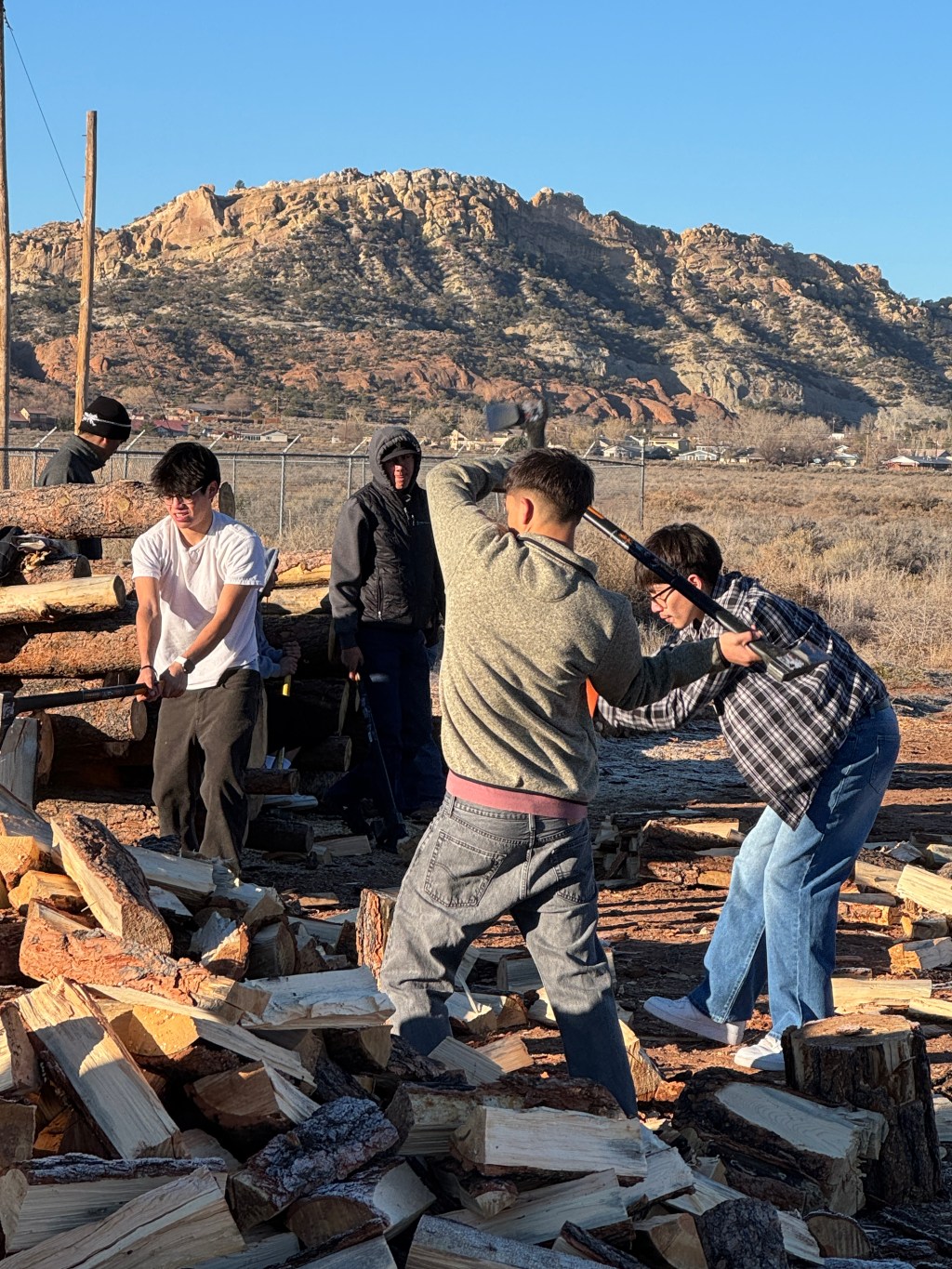
Chopping
Rehoboth students can chop fire wood in the mornings before class. Then they help deliver pickup truck-loads of wood to families on the Navajo Reservation that rely on a wood stove for heat during the winter. They’ve already made 50 deliveries this fall!
-
Elementary Art
Students were painting and making mosaics with tissue paper the day I visited with four Rehoboth yearbook students to get photos for the 2026 school yearbook.

-
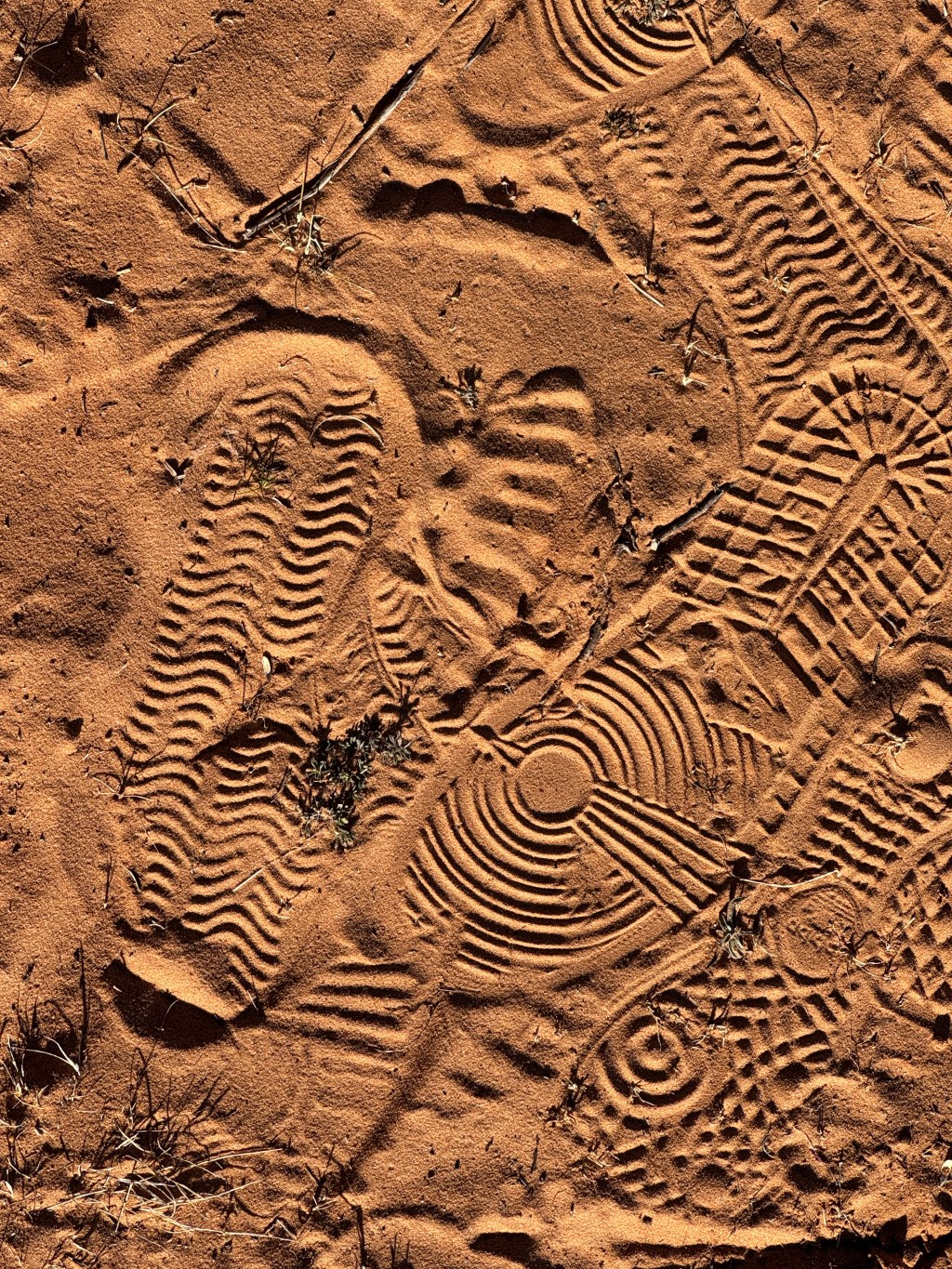
Sand Patterns
Orange sandy paths wander through the sagebrush next to the Rehoboth Christian School campus. Student sneakers left interesting overlapping patterns that reminded me of Indian petroglyphs on the rocks around New Mexico. w
-
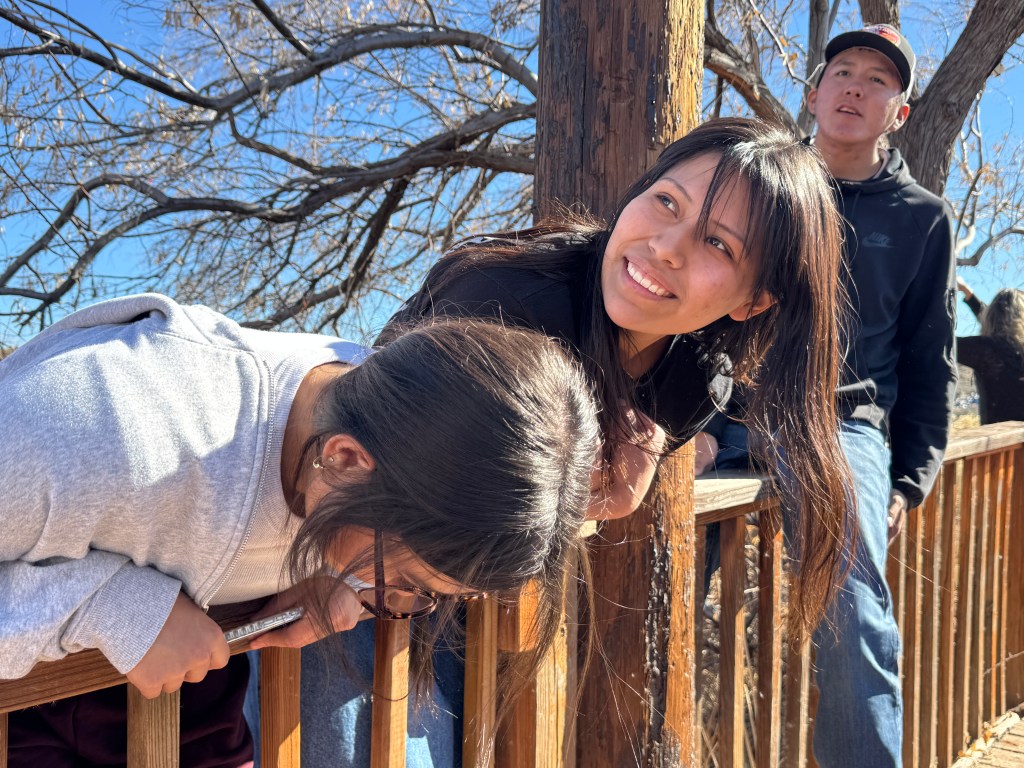
Rehoboth Students
I took the high school art students for a walk around campus to remind them of the beauty of the place. They also enjoyed the chance to get outside on a sunny day.
-
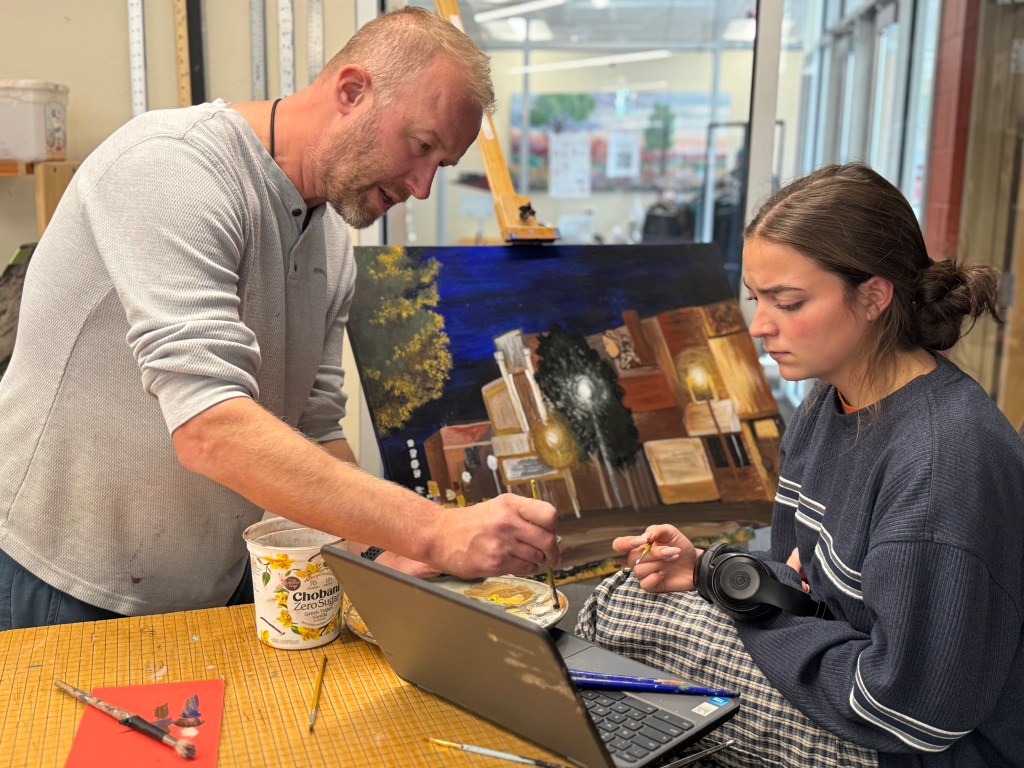
Art Class
Steve, the Rehoboth high school art teacher, guides students as they create paintings, ceramics and digital art.
-
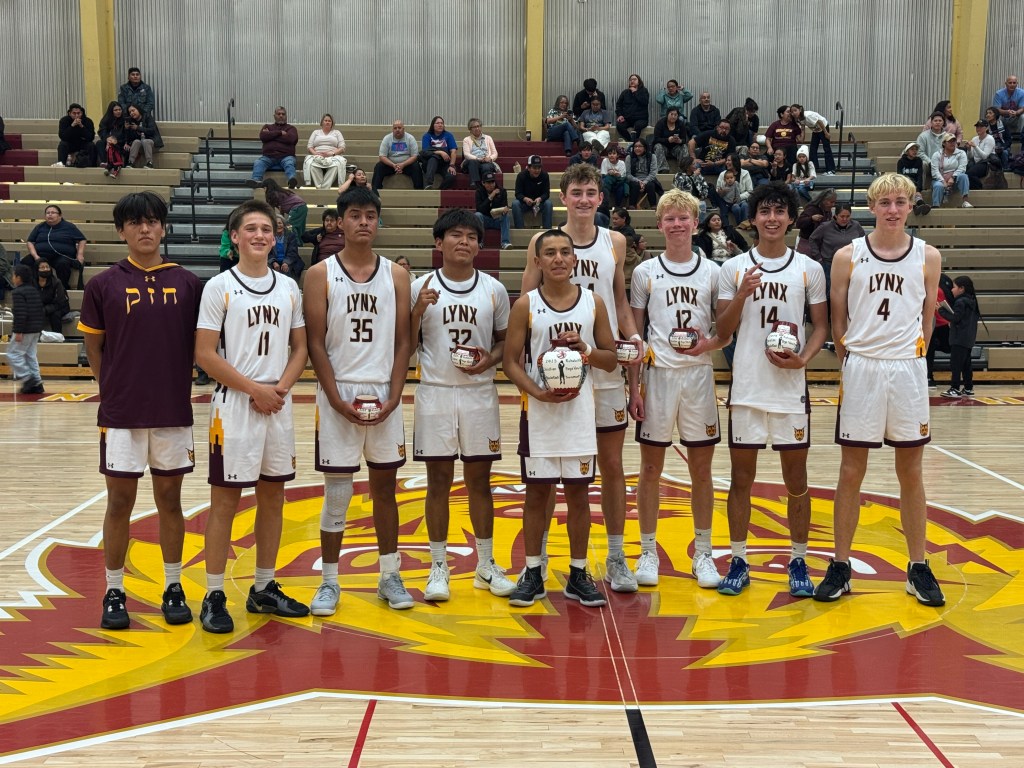
Tournament Title
For the first time in recent years, the Rehoboth boys varsity team won the tournament that the school hosted in early December. Instead of wood or metal trophies, the team and the top players received painted pots to honor them.
-
Filling the Sky
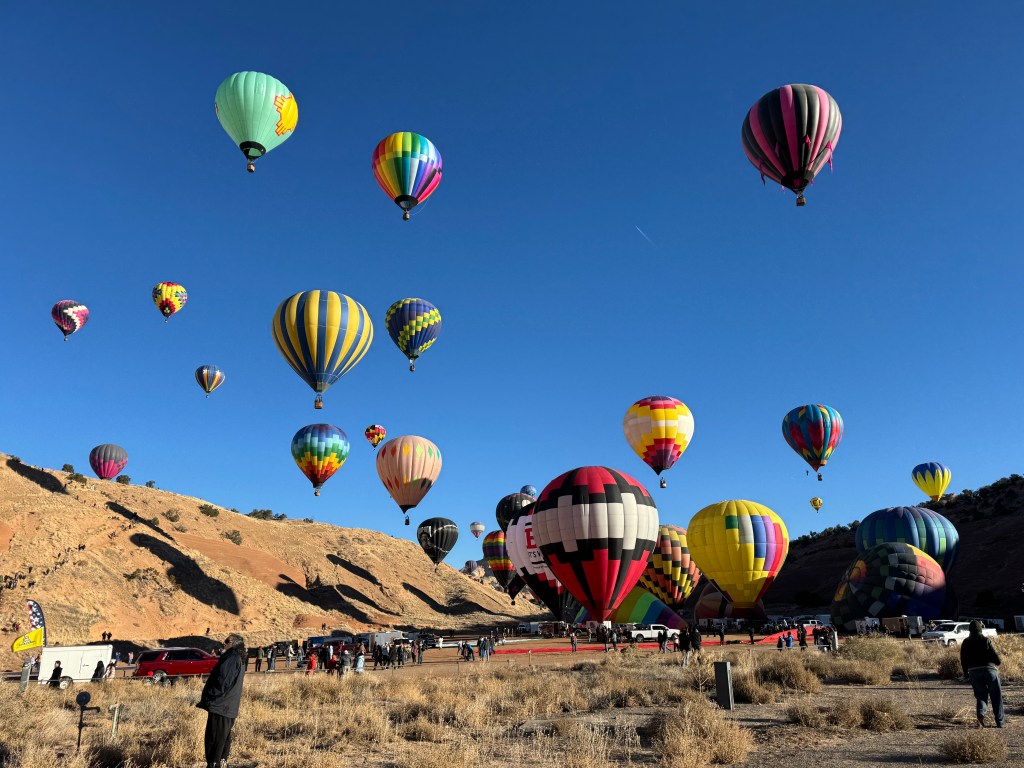
More than 100 hot air balloons filled the sky over Red Rocks State Park near Gallup, NM the first weekend in December. Everywhere you looked were bright colors and bold designs floating over the already beautiful landscape!
-
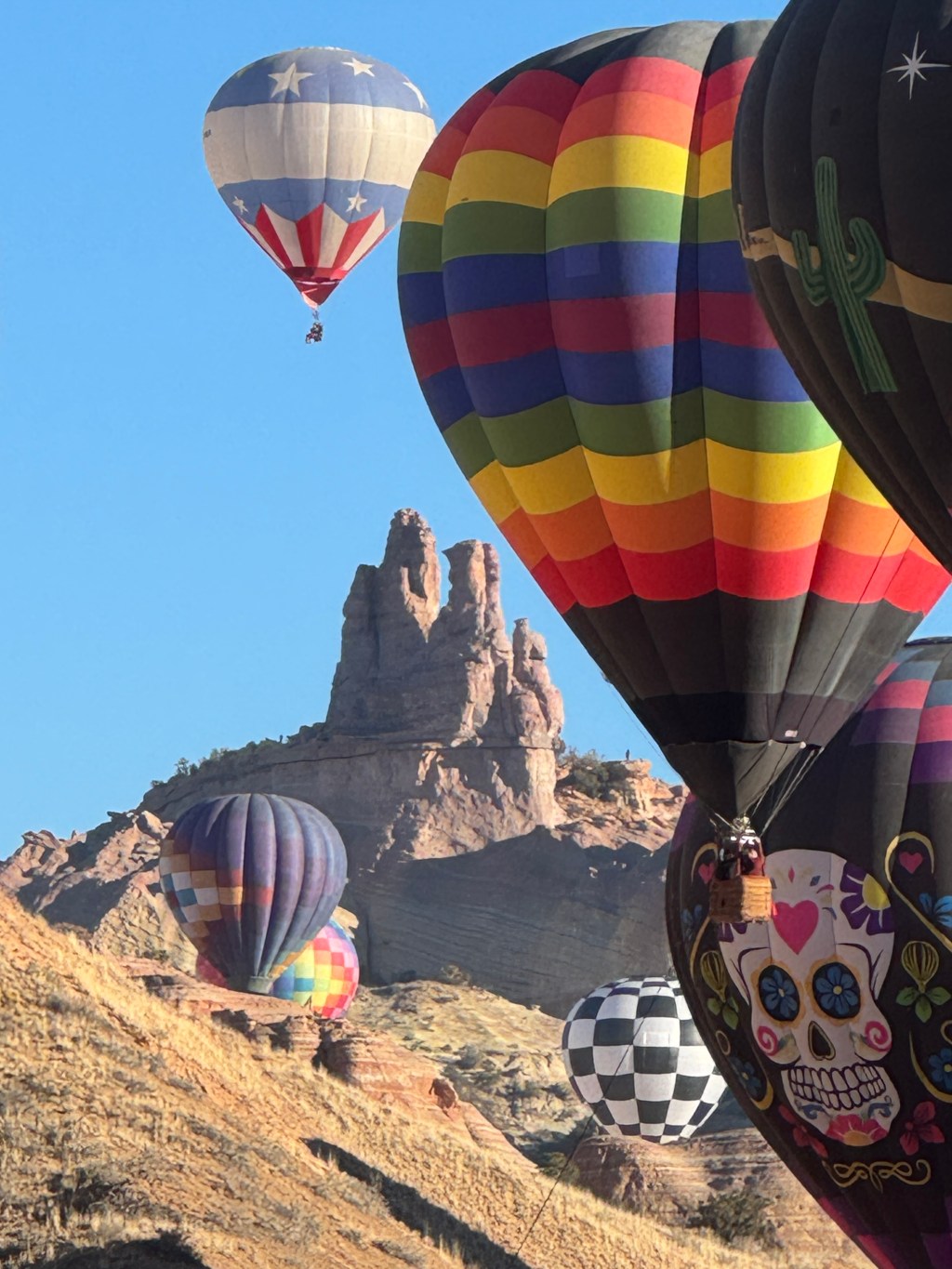
Church Spires
Church Spires rock formed the background to views of the hot air balloons as they rose above the valley just outside Gallup, NM.
-
Up They Go
Balloons used the warming sandstone cliffs to help lift up out of the valley of Red Rocks State Park.

-
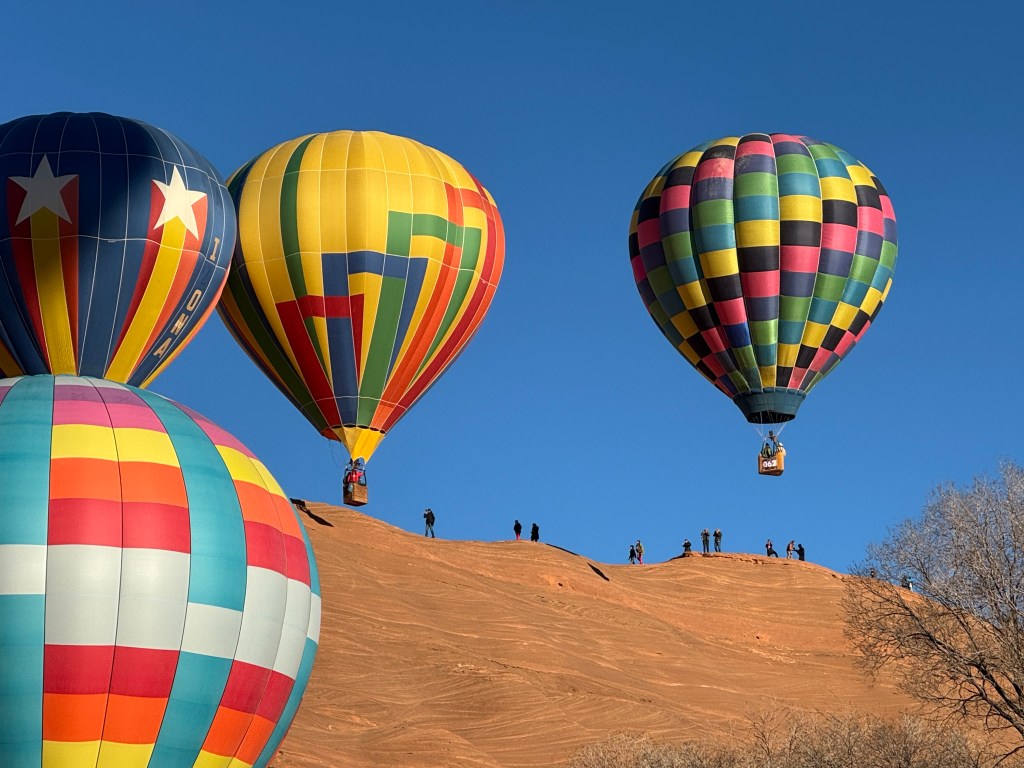
On the Ridge
Spectators at the balloon rally could climb a trail to the top of the red sandstone cliffs for a close up view of the balloons. Some of the pilots “dragged” their baskets up the sides of the cliffs to really get in touch with the spectacular landscape!
-
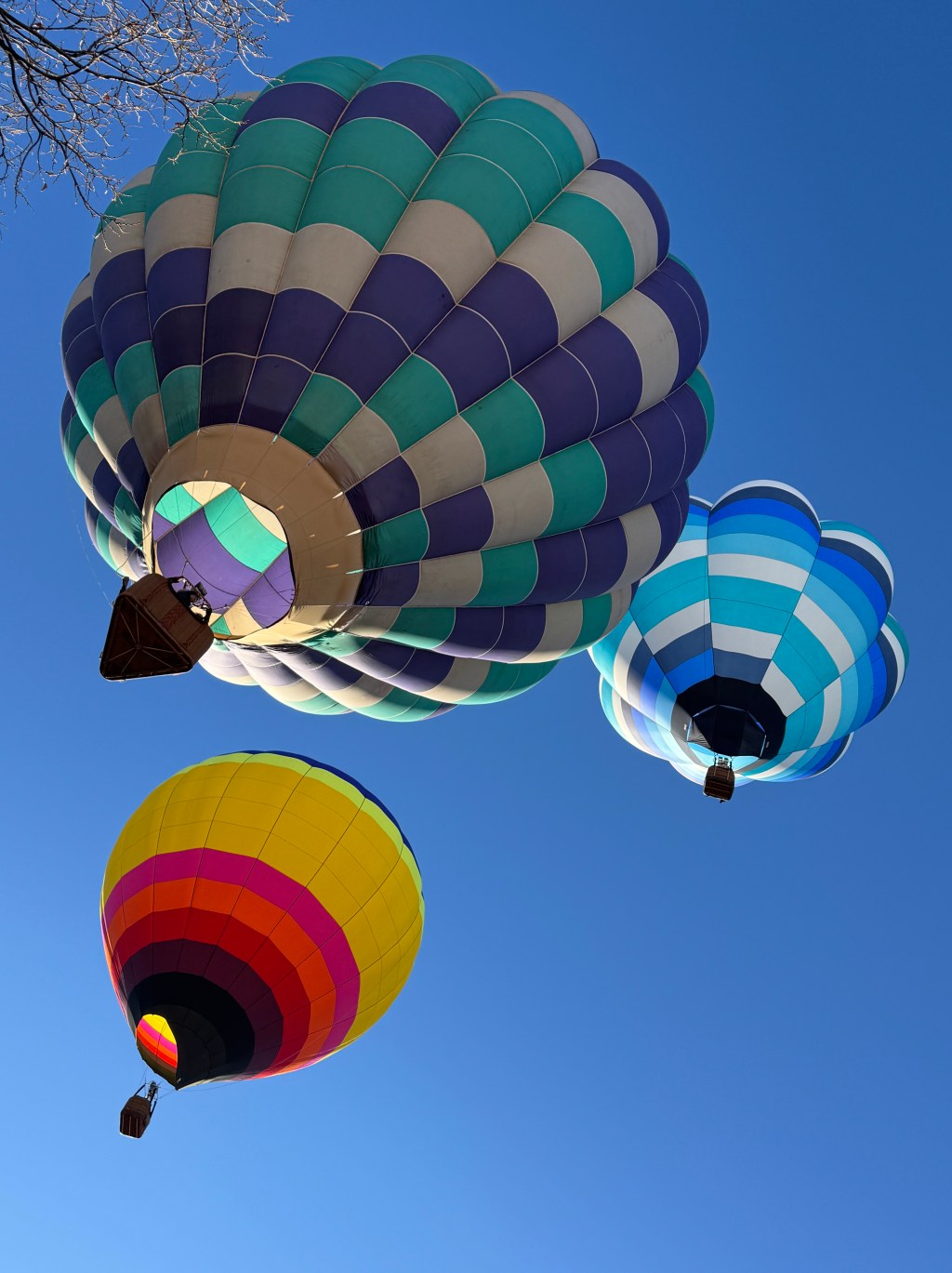
Looking Up
Once the balloons started rising around us at the Red Rocks rally, we had to remember to look up from the activity near the ground to see their colors being lit up by the sun as they rose in the cold desert air.
-
Bright Colors
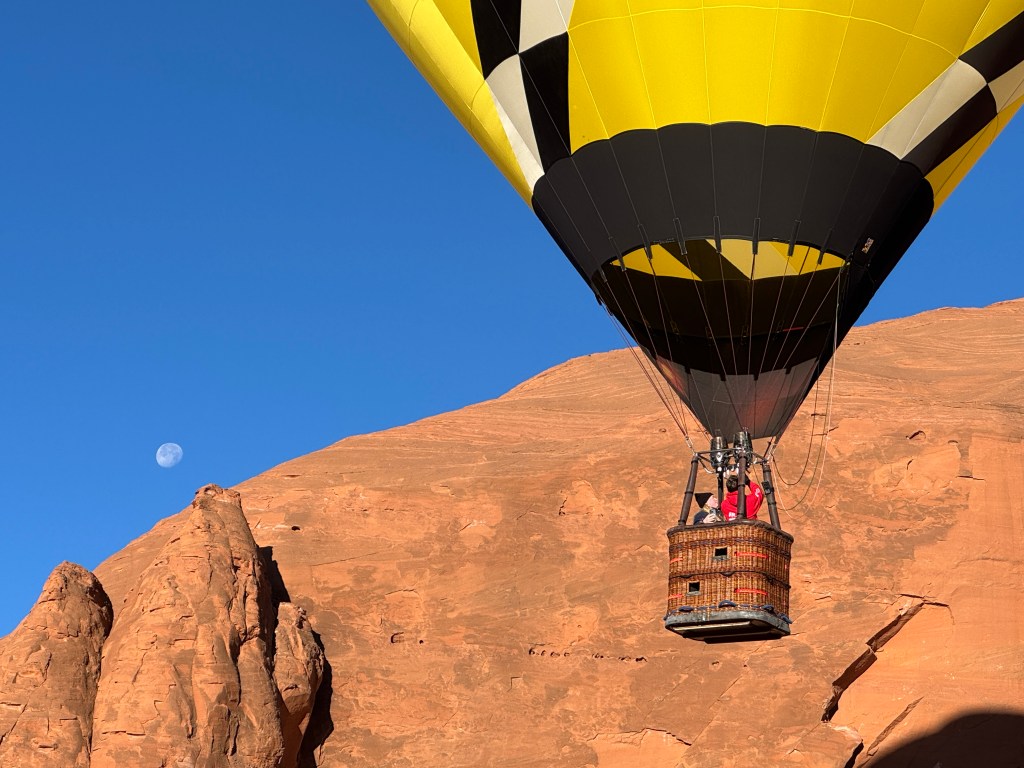
This yellow balloon contrasted nicely with the bright blue ski, orange sandstone rock, and setting moon.
 Words Are Inadequate