47warlord
-
Lift Off
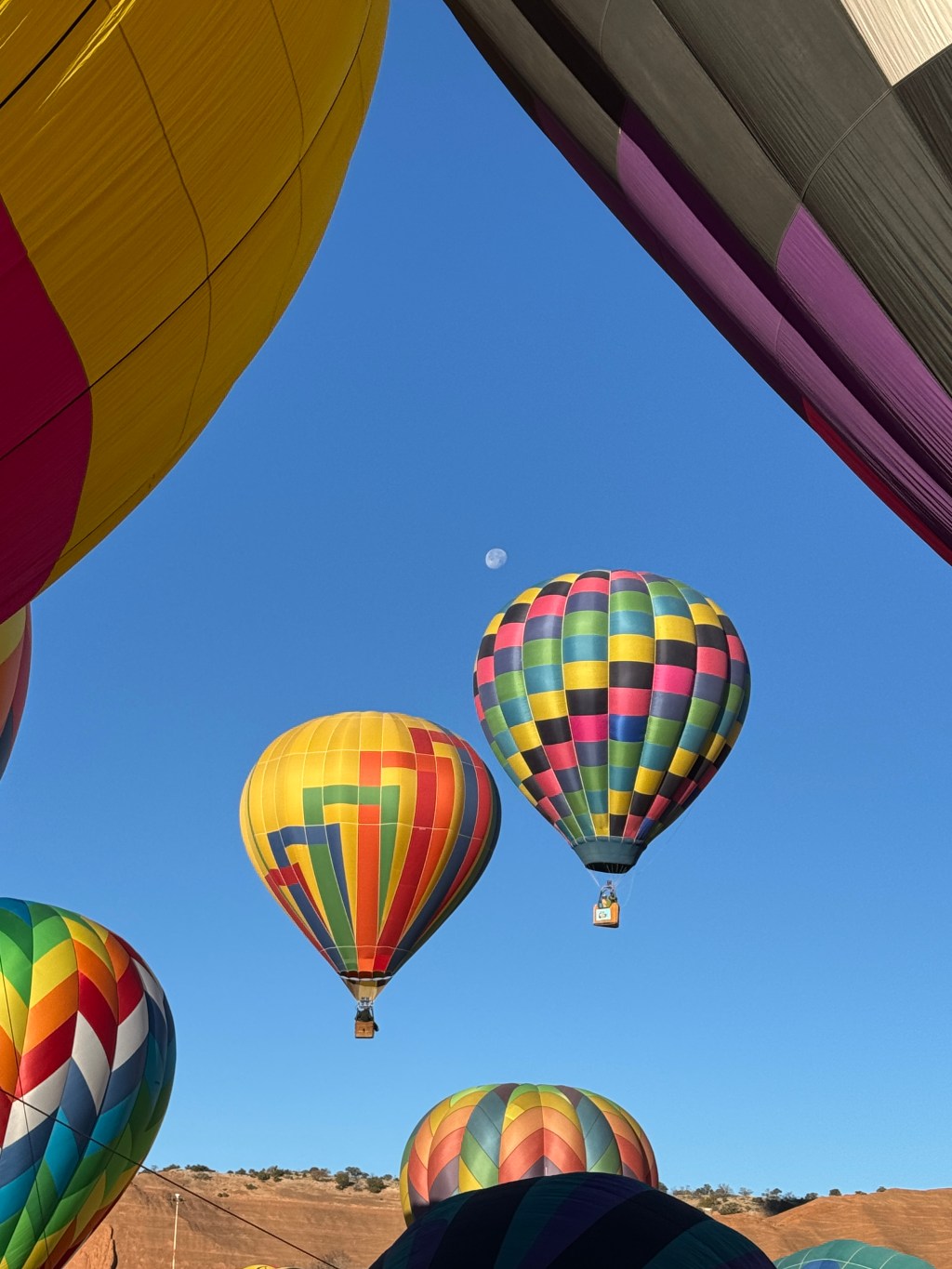
Balloons started taking to the sky by about 7:30am the last morning of the Red Rocks balloon rally. The noisy “whoosh” of the burners contrasted with the silent, graceful assent of each balloon once the started to rise.
-
Balloon Fan
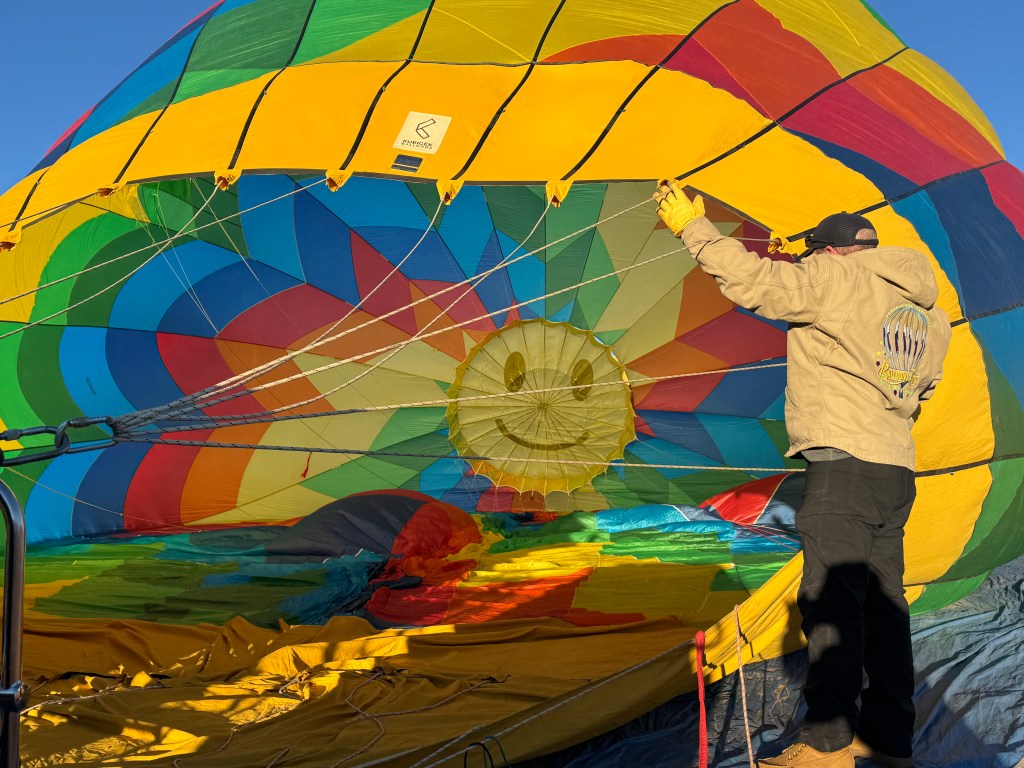
Inflating a hot air balloon on a chilly morning first requires a large fan to blow air into the balloon before it can stand upright. Then the pilot can start using the burners to finish inflating and launch off the ground.
-
Red Rock Sunrise
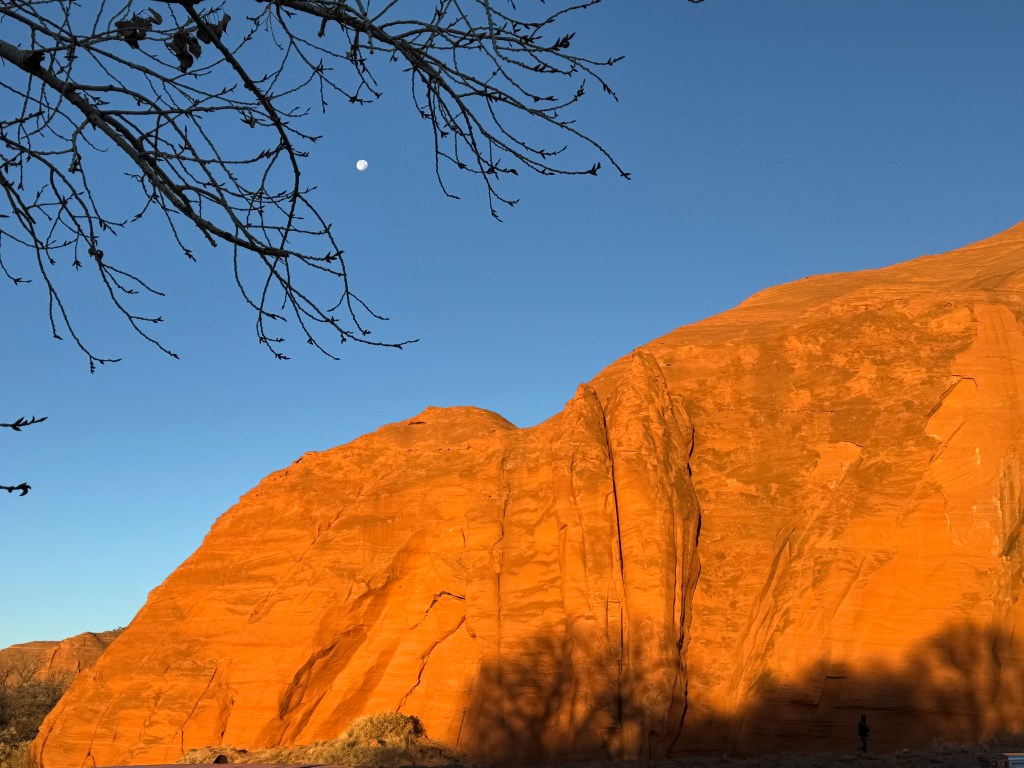
We arrived at the final morning for the Red Rocks balloon rally in Gallup, NM just before sunrise in frigid conditions (17 degrees!), but had the reward of seeing the sun’s first light turn the rock cliffs bright orange as the moon began to set behind them.
-
Evening Glow
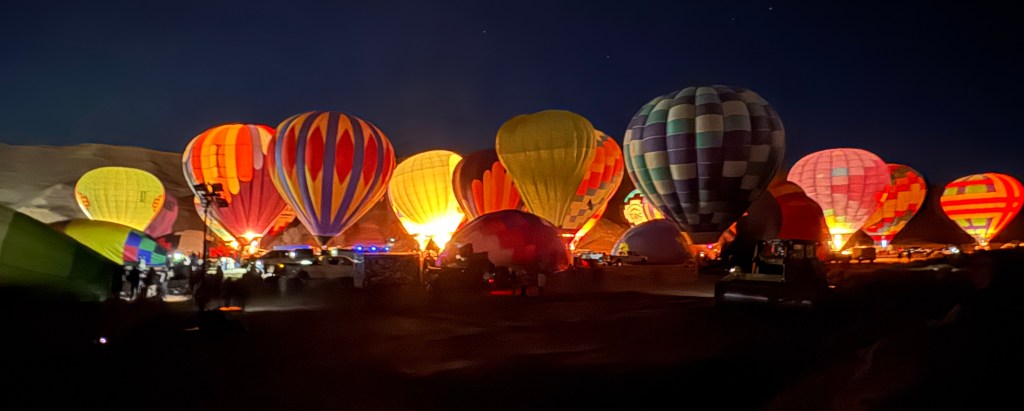
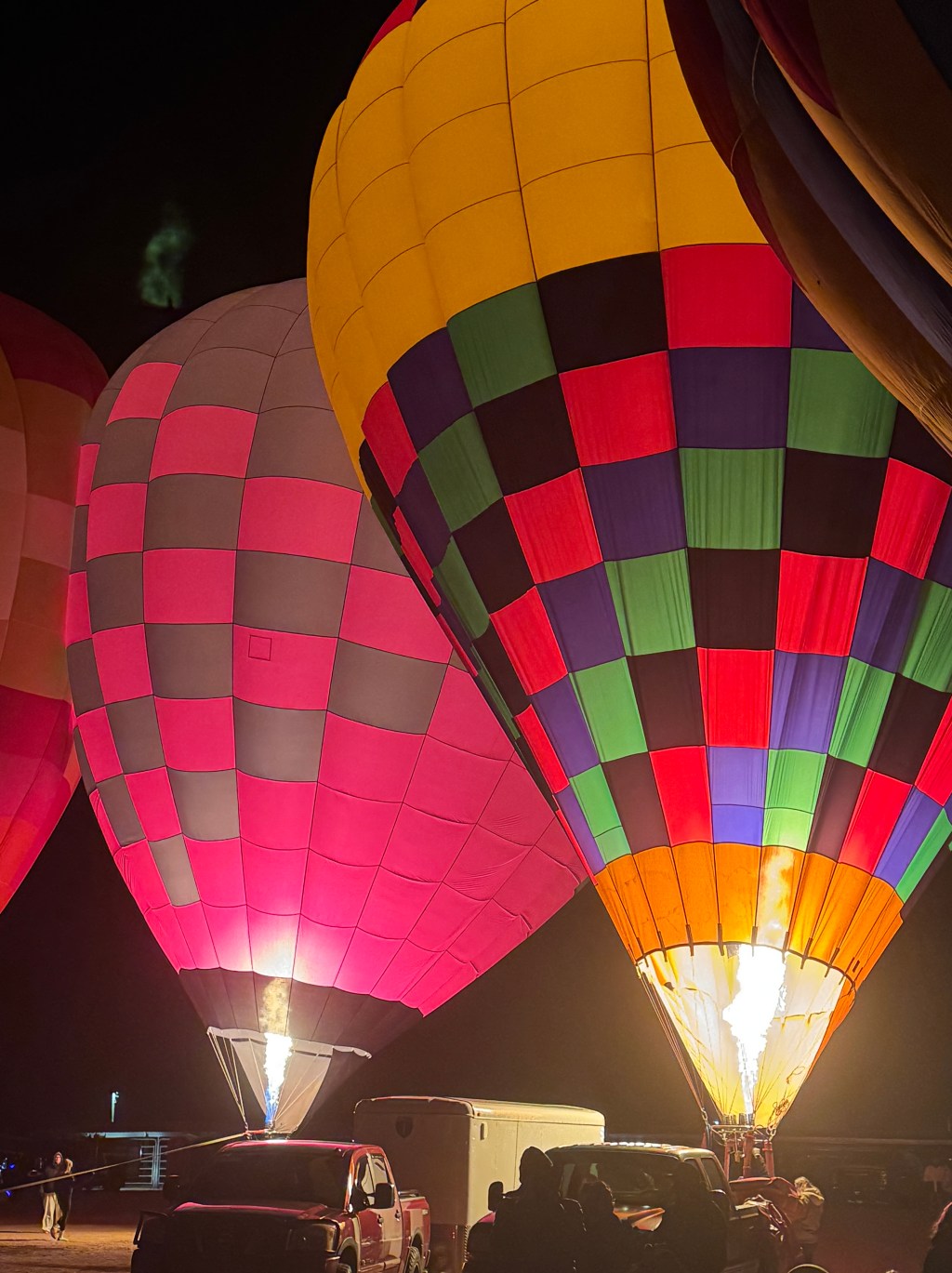
The Red Rocks balloon rally at Gallup, NM on the first weekend of December featured a spectacular “Evening Glow” event where the balloons inflated but stayed on the ground. Lighting up their burners made them glow in the dark and kept the balloons standing upright.
-
Flames
Hot air balloons inflated for the “Evening Glow” event at Gallup, NM, but stayed on the ground after dark.
-
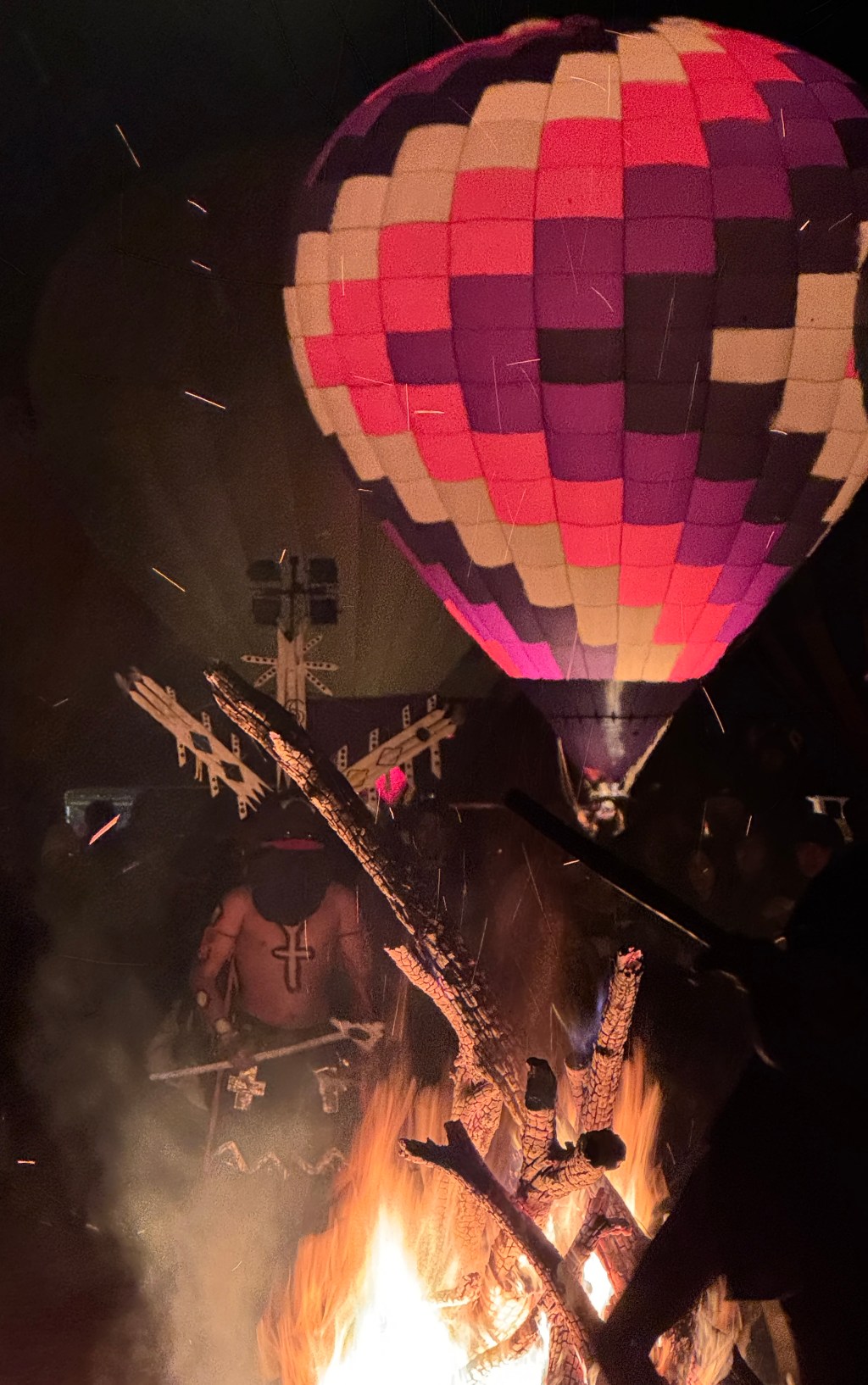
Night Scene
This shot juxtaposes three elements of the Red Rocks balloon rally’s “Evening Glow” event — a burning bonfire, Apache dancer, and hot air balloon.
-
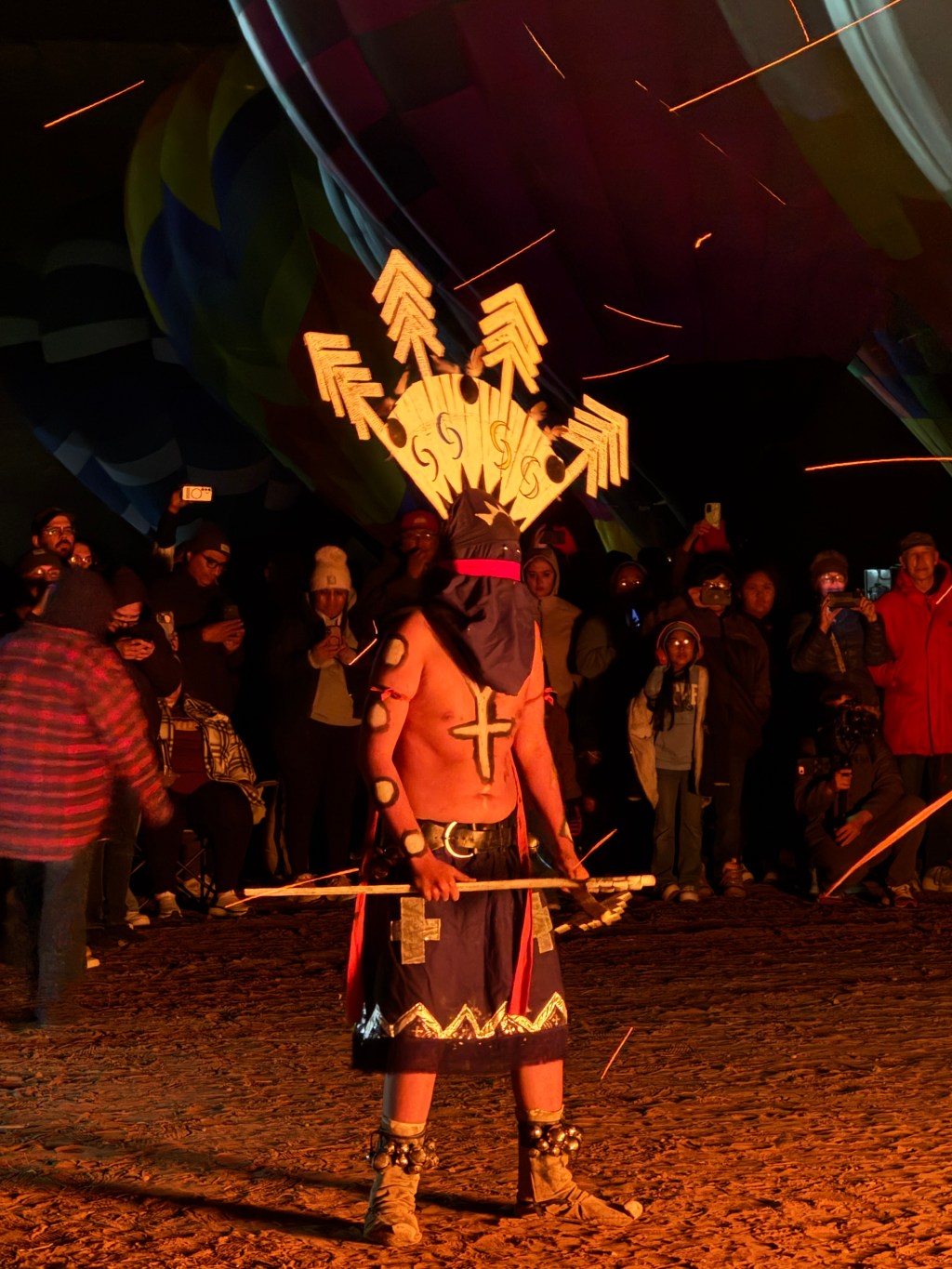
Apache Dancer
This dancer from the Apache tribe was one of four circling around a large bonfire at the Red Rocks Balloon rally’s “Evening Glow” event. Four Navajo women also danced with waving ribbons that evening.
-
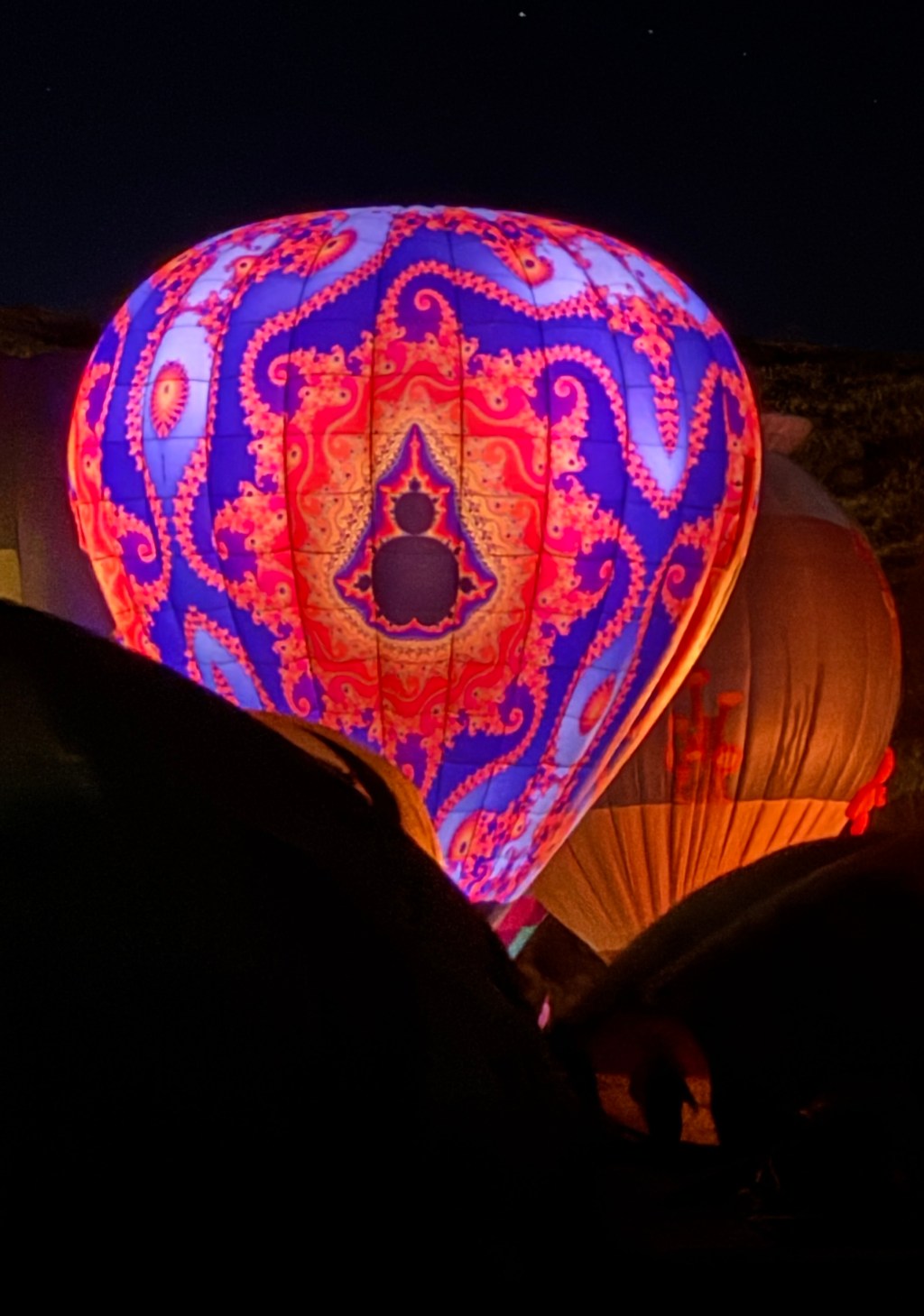
Fractal Balloon
The intense hot air balloon with a fractal design kept changing colors as the pilot turned on and off the flames in the basket.
-
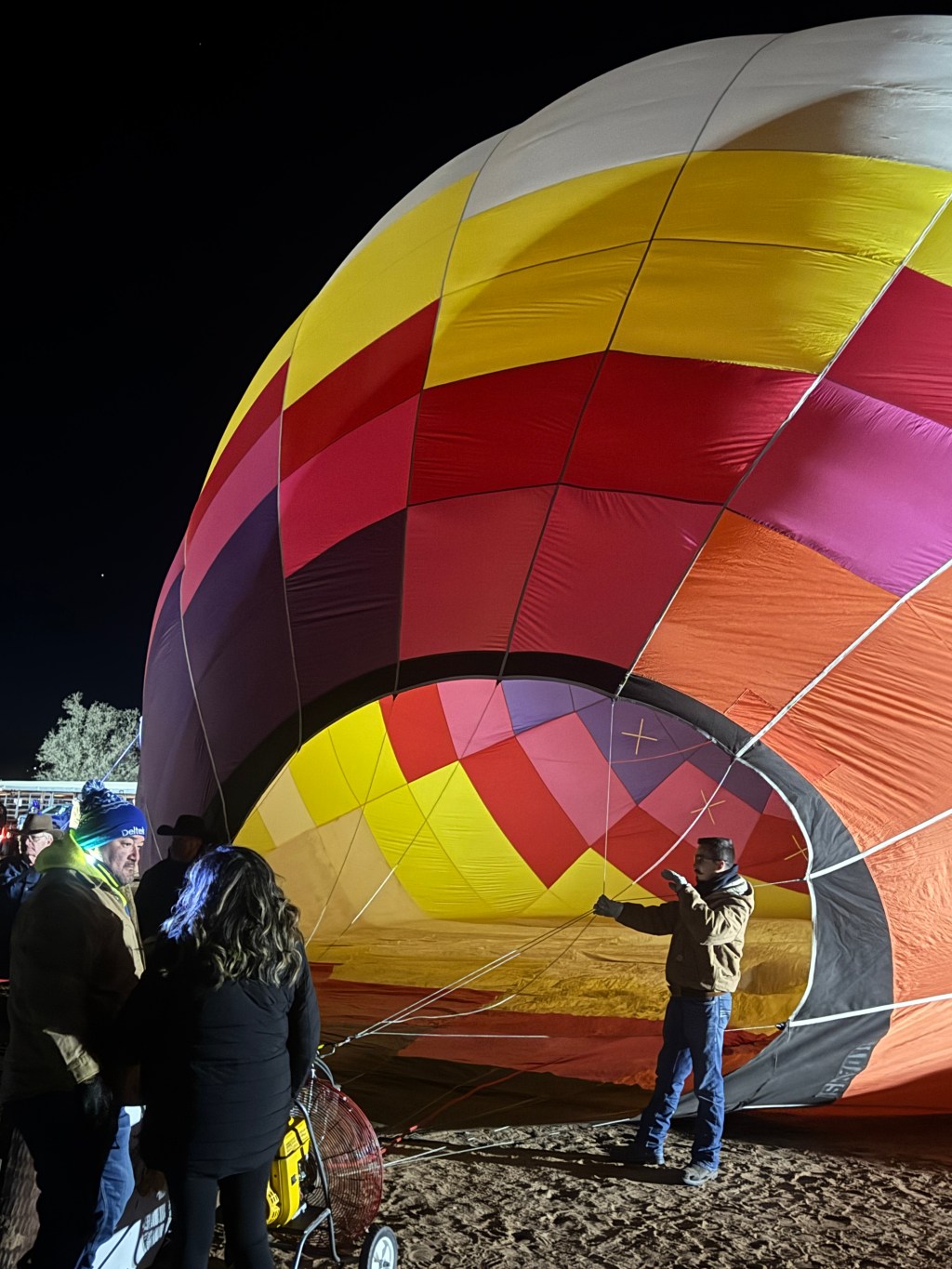
Inflating at Night
The “Evening Glow” event at the Red Rocks balloon rally opened with giant fans used to start inflating the balloons.
-
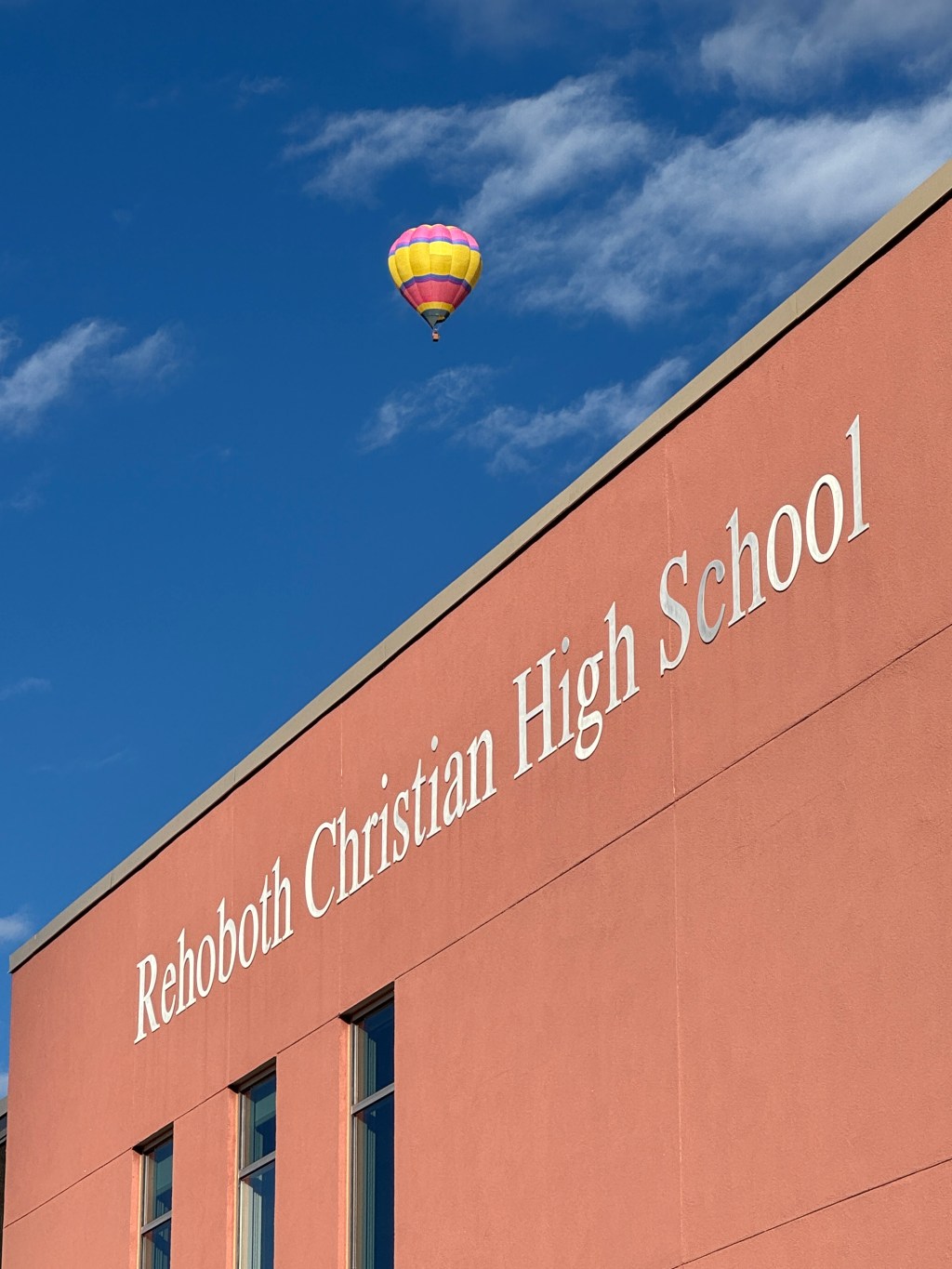
High Above Rehoboth
The first weekend in December is the Red Rocks Balloon Rally in Gallup, NM. Friday morning we awoke to see hot air balloons floating over the school’s campus!
-
Belt Buckle
I found this spectacular belt buckle of silver and inlaid precious stones at a trading post in Zuni, New Mexico. The design is distinctively Zuni (the sun in the center is a protective symbol) and the artist is no longer making them, so I brought it home with me!

-
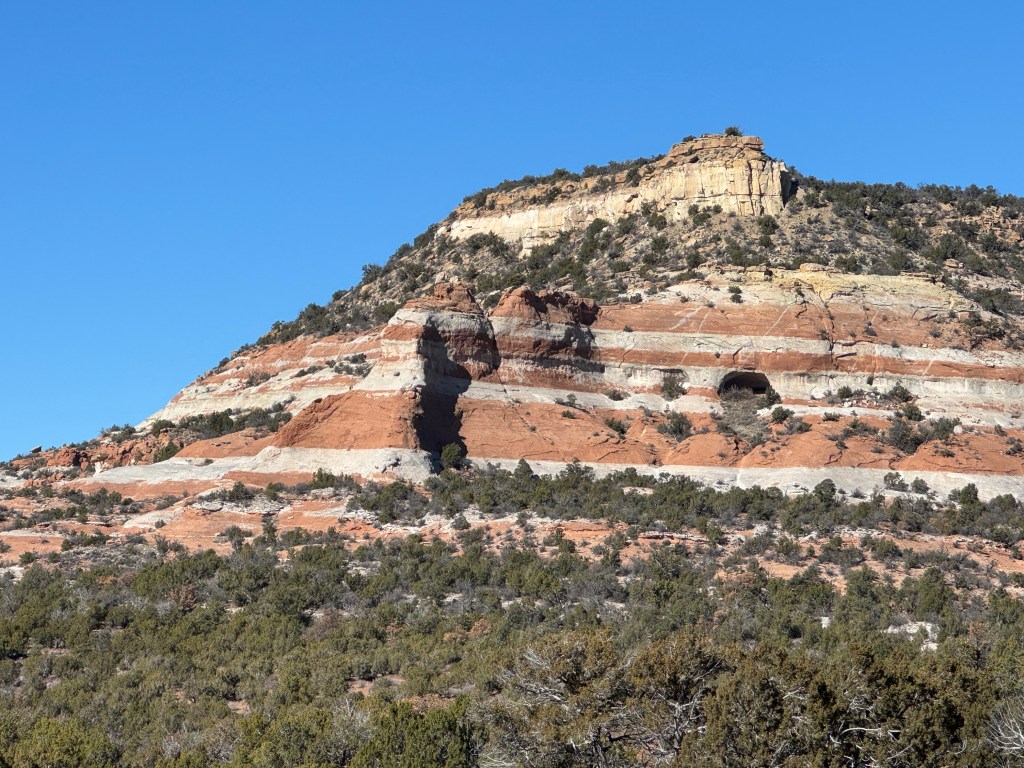
Zuni Cliffs
These red and white stripes mark the entrance to the valley of the Zuni Pueblo, about half an hour south of Gallup. We visited Zuni, but everyone was busy cleaning up after their big dancing and feasting celebration a few days before.
-
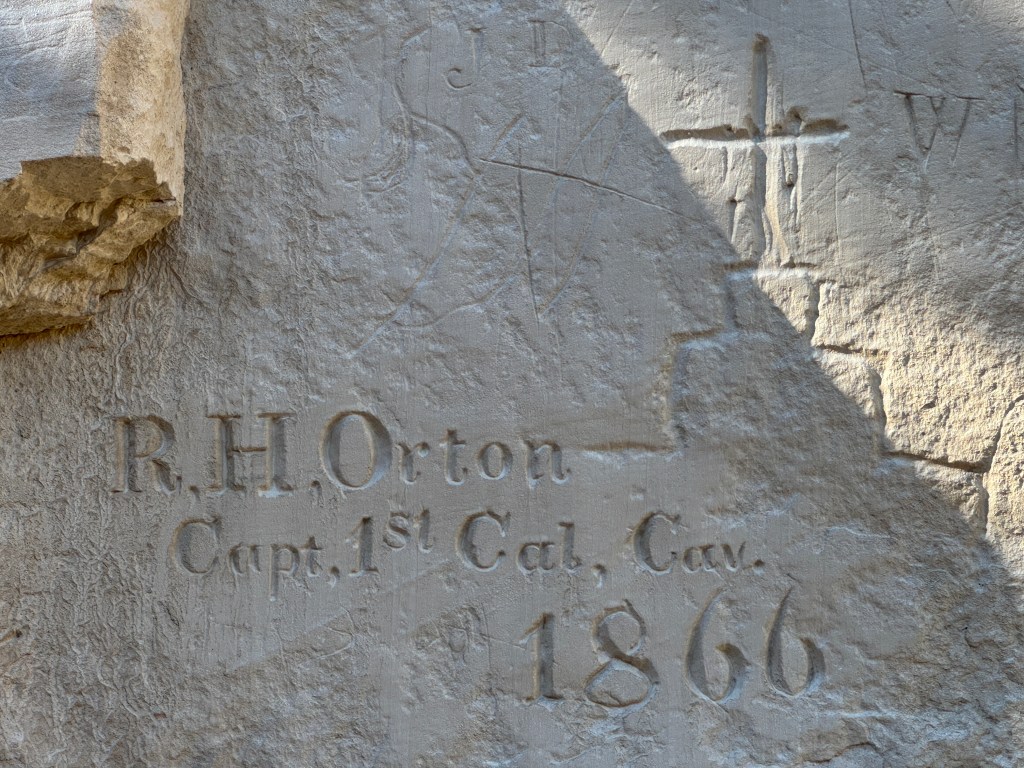
The Cavalry
After the U.S. annexed New Mexico in the 1840s, American army officers recorded the inscriptions on El Morro and added their own names like this cavalry officer in 1866. One group of officers even drove a herd of camels through the valley on their way to California.
-
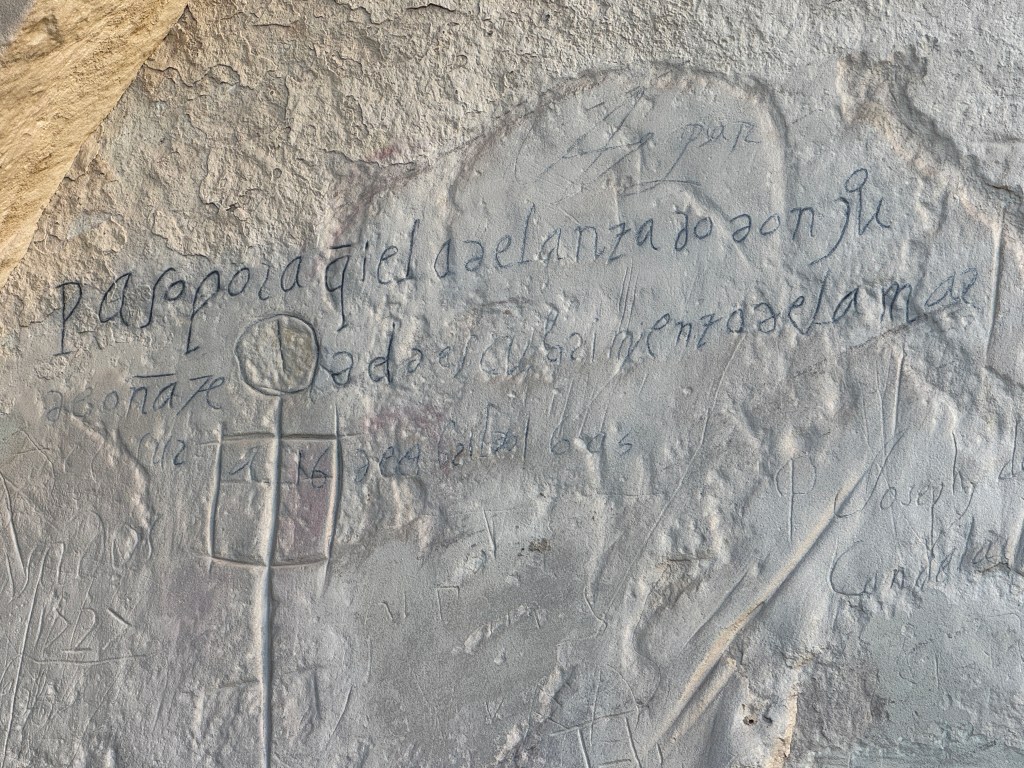
The Last Conquistador
Don Juan de Oñate led the first Spanish colonists north to New Mexico in 1598. Seven years later on an expedition to reach the Pacific, Oñate carved his name into El Morro (in this hard to read inscription), marking the first European name to appear on the rock.
-
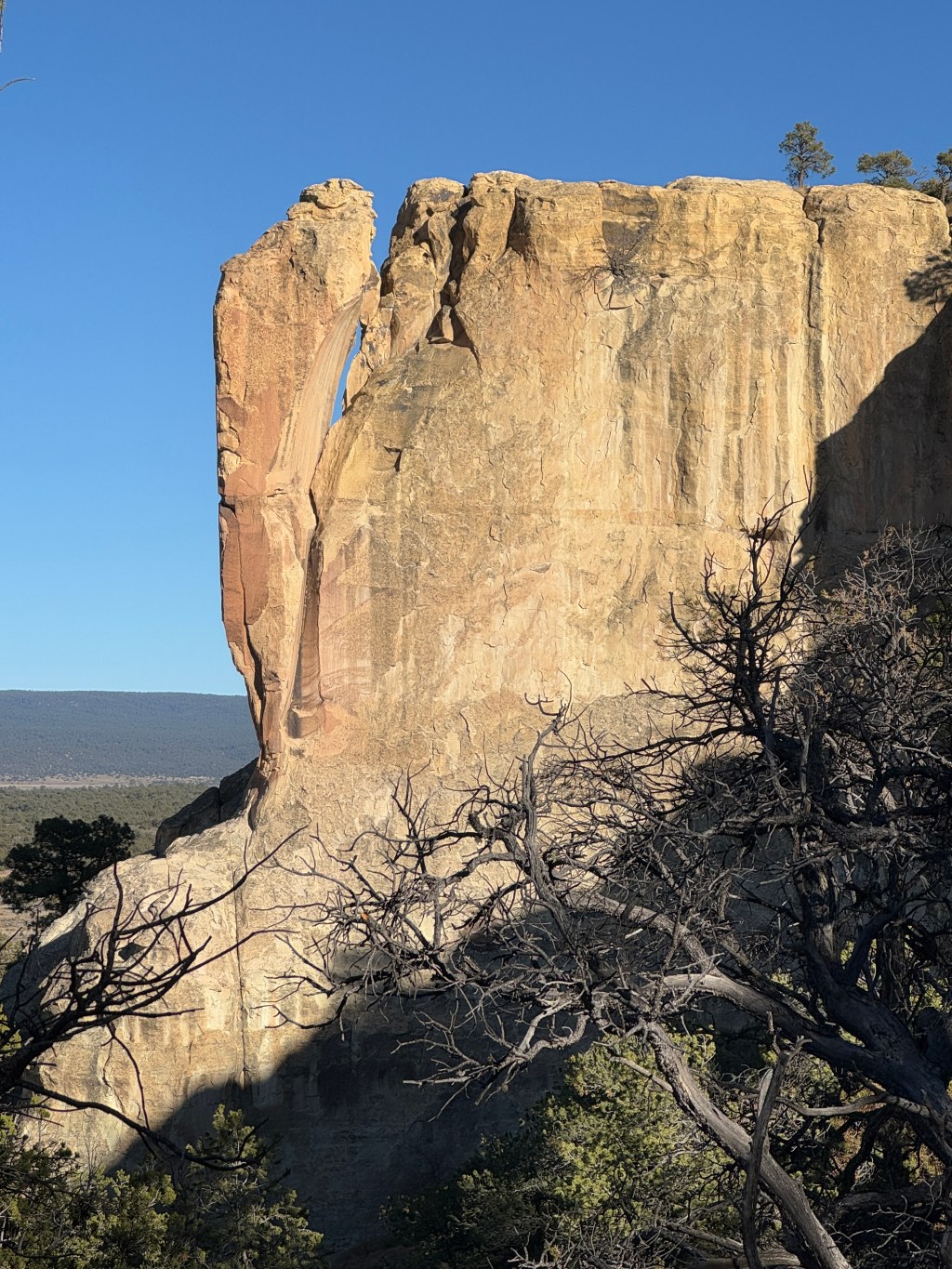
Inscription Rock
El Morro, also known as Inscription Rock, rises 200 feet above the valley. Cracks in the vertical sandstone walls may look ominous, but the landmark has drawn visitors for centuries.
-
Pine Canyon
On top of El Morro National Monument are several surprises, such as the ruins of Atsinna Pueblo that housed over 1,000 residents in the 13th century before being abandoned after just 75 years. Another surprise was this mini canyon with a tall pine tree rising almost as high as the cliffs.

-
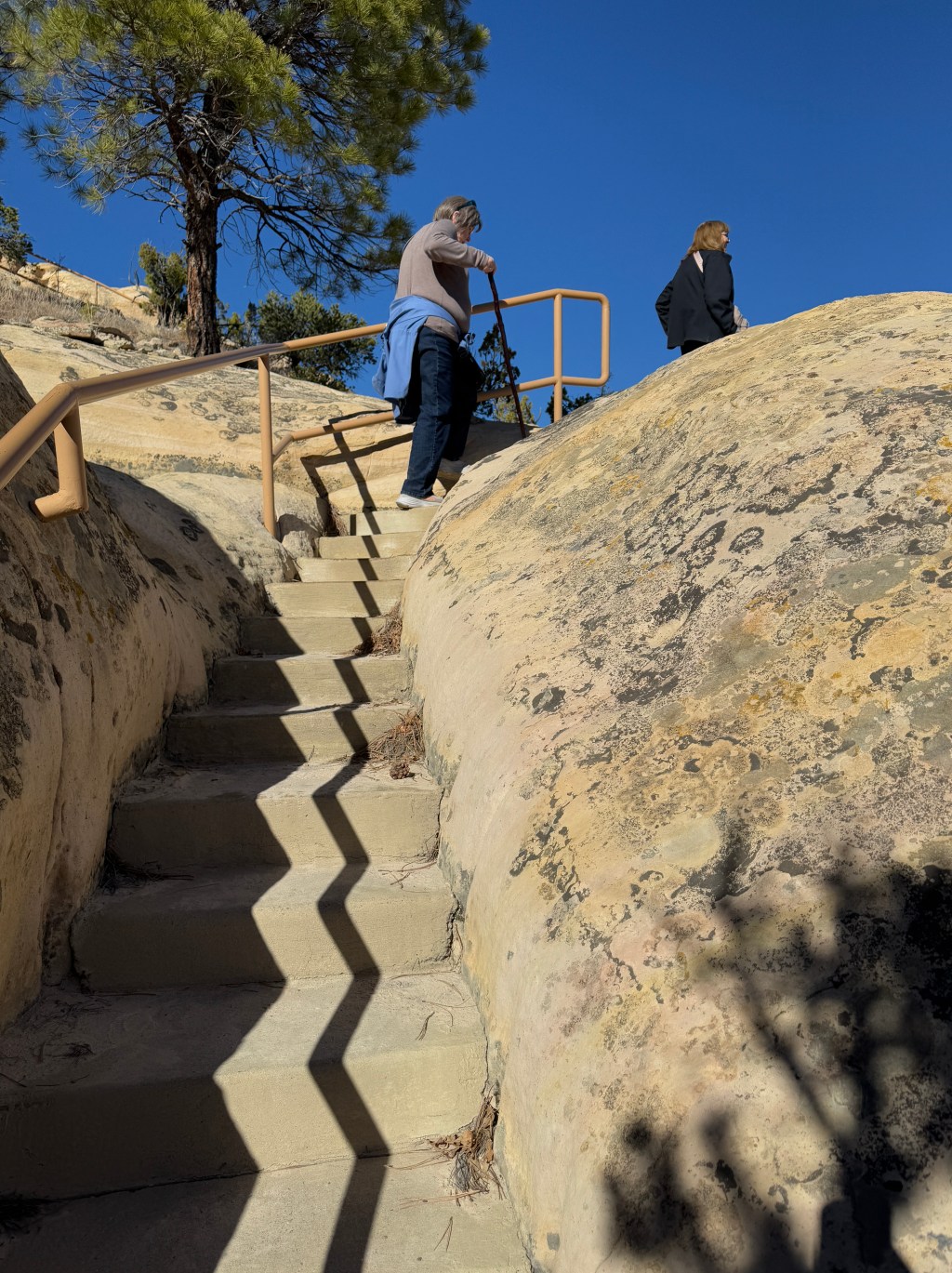
Stone Stairway
Climbing to the top of El Morro involves over 150 steps carved into the sandstone walls. The views keep getting more impressive as you climb, so it’s good to pause and enjoy the sights.
-
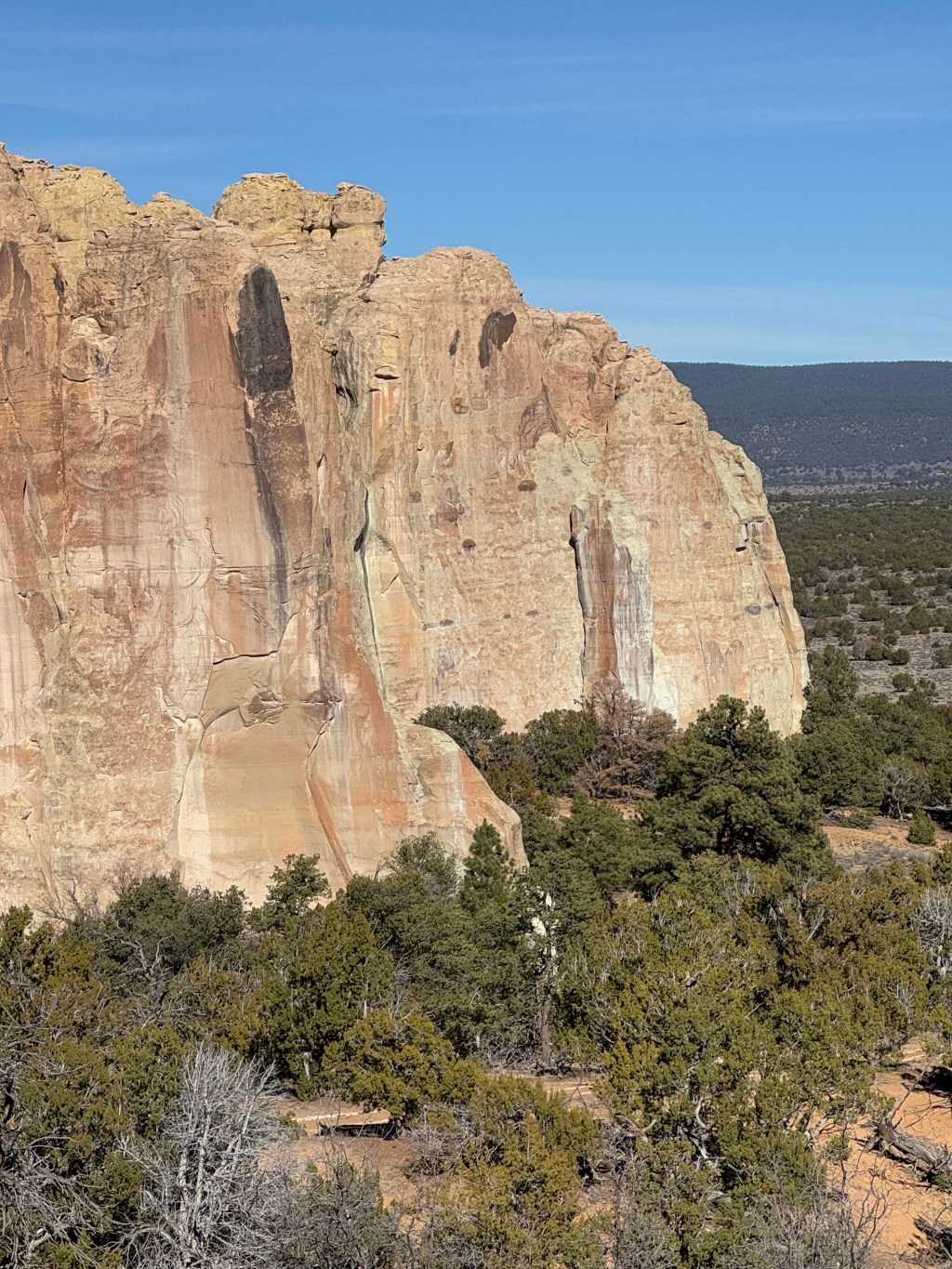
El Morro
An hour’s drive southeast from Gallup, a white sandstone outcropping marks El Morro National Monument. We spent an afternoon hiking over and around this dramatic landscape with friends from Rehoboth School.
-
Dorothy’s Weaving
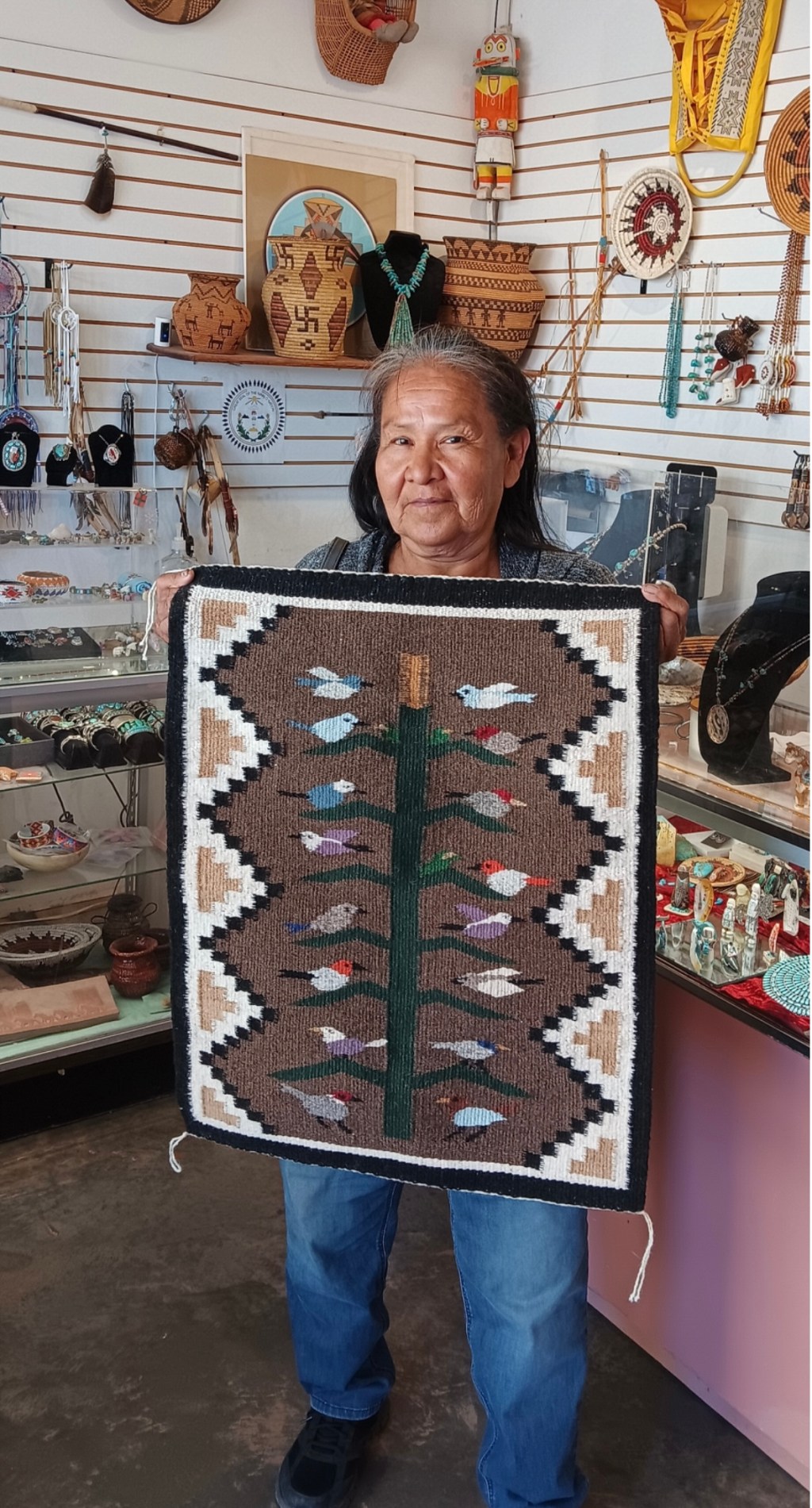
Elaine found a lovely woven rug in a Navajo Market near Monument Valley, and the store owner shared this image of Dorothy Begay, a local weaver who created it out of homespun and dyed yarn from her own sheep. The image of a cornstalk with birds now hangs in our hallway at home.
-
Monument Valley Sunset
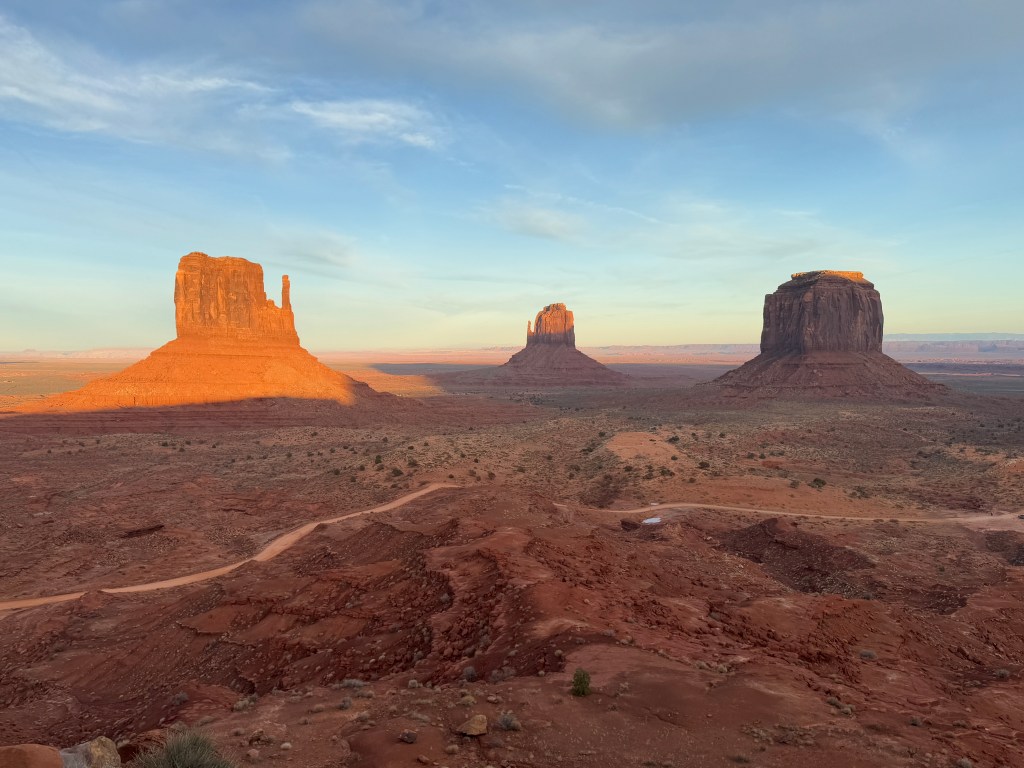
Looking east into Monument Valley at the end of our tour, the sunset light touches the buttes with orange fire. From left are West Mitten Butte, East Mitten Butte, and Merrick Butte in a classic view from the visitor’s center.
-
Totem Pole Reflection
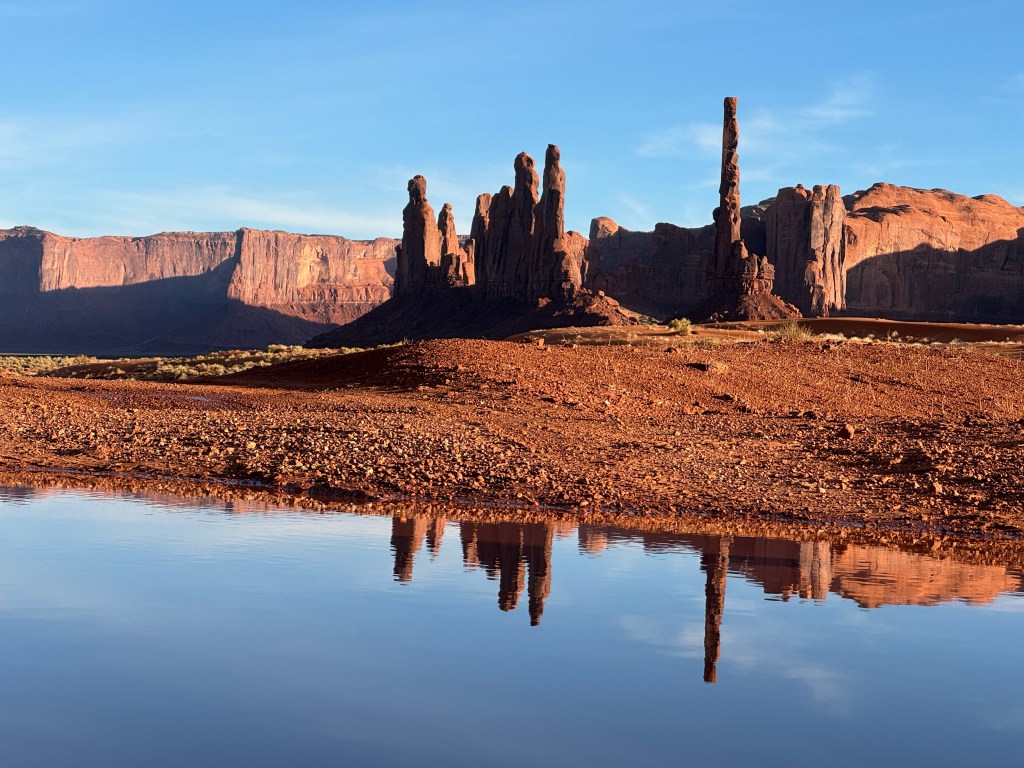
Off-roading through Monument Valley, our guide Harry pointed out this view of the Totem Pole and nearby spires reflected in a small pool. This image was taken with my phone just 6 inches off the surface of the water to capture the distant spires and their mirror image.
-
Sleeping Dragon
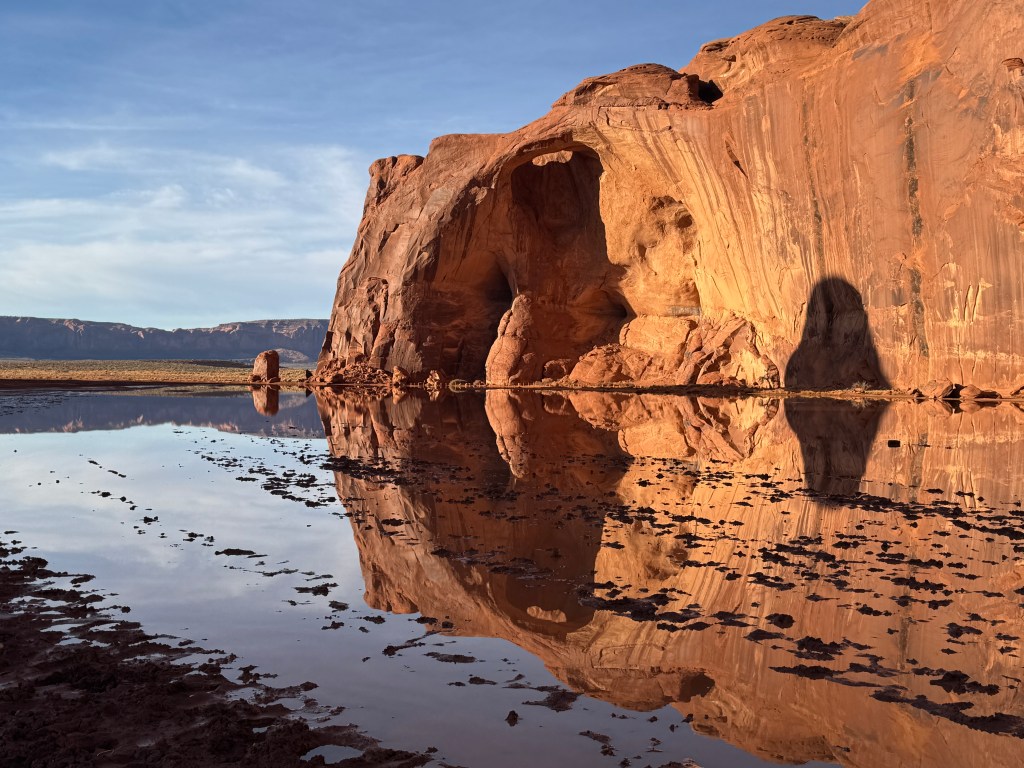
Several tropical storms had drenched Monument Valley a couple weeks before our visit, leaving standing pools that acted like mirrors. This shows Sleeping Dragon Mesa and its reflection in the afternoon light.
-
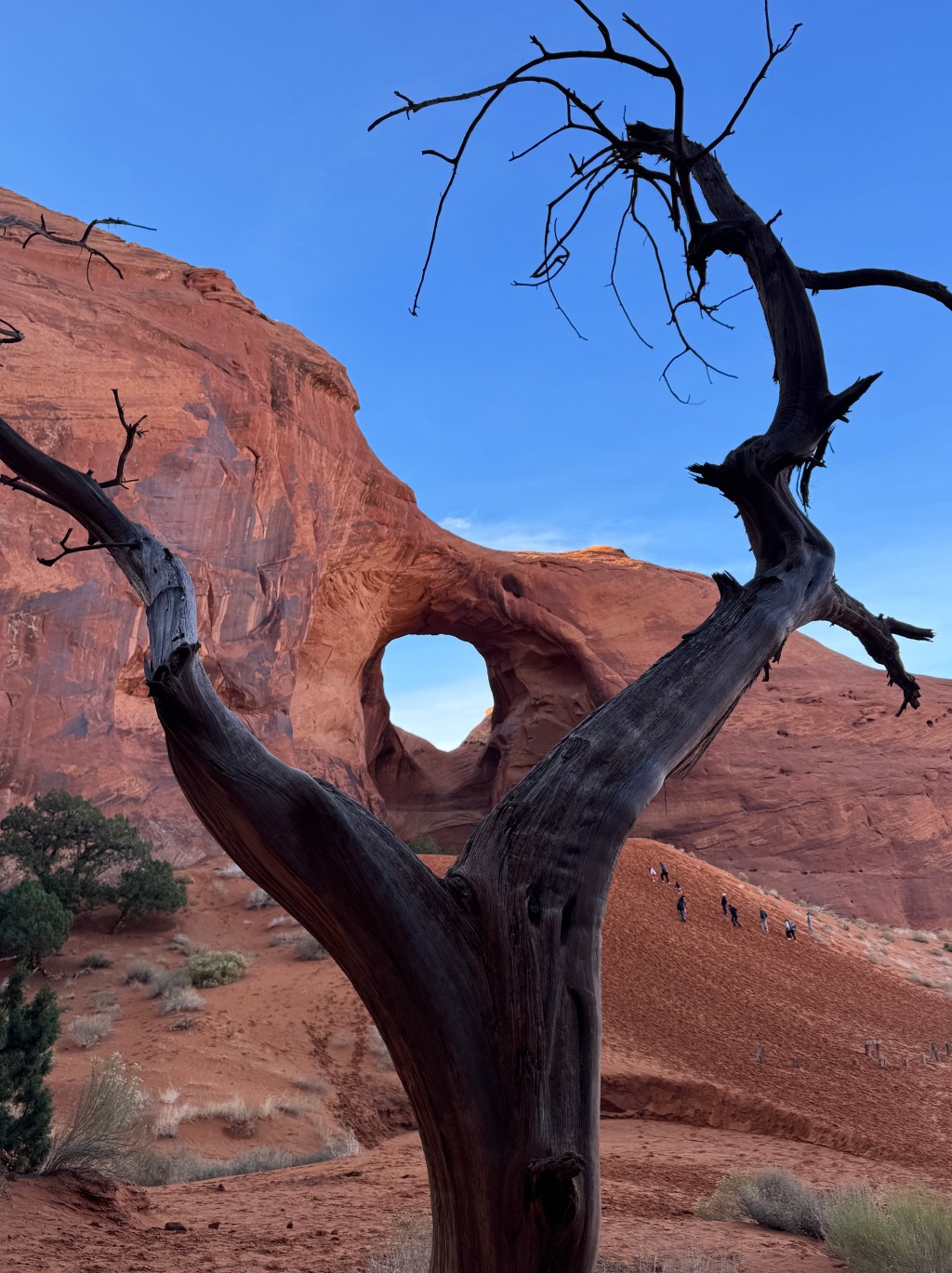
Ear of the Wind
Harry, our Navajo guide through the valley, took us off-roading to this hard-to-reach arch called the Ear of the Wind. Framing it above a dead tree made for an interesting image.
-
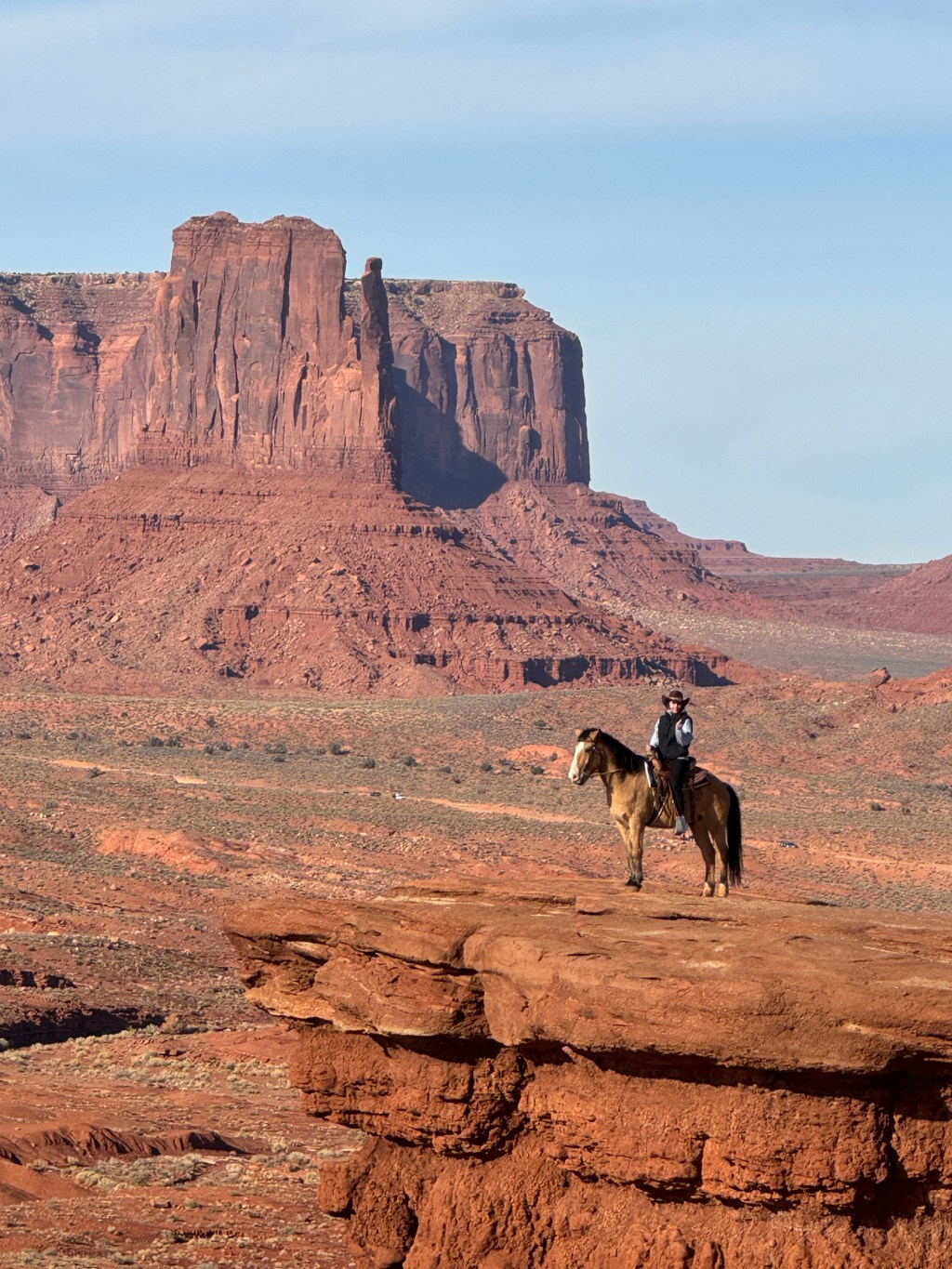
Monument Valley
Our visit to Monument Valley the day before Thanksgiving, one of the first stops was at John Ford’s Point, where that director of classic western films made this view synonymous with The West. For $10 you could sit on the horse and wear a cowboy hat for a keepsake photo.
-
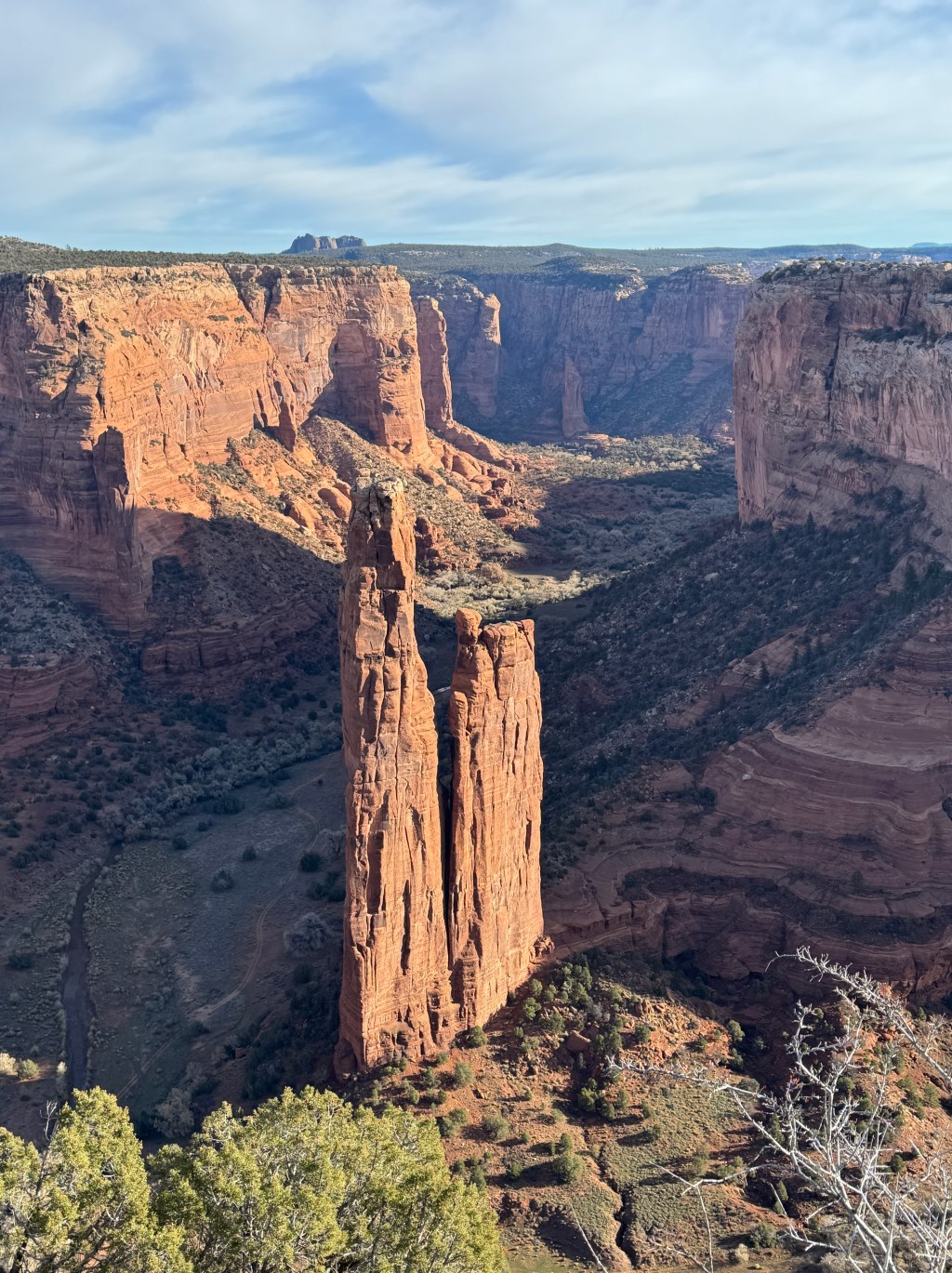
Canyon de Chelly
Just before Thanksgiving, we drove north through the Navajo Reservation to look down into Canyon de Chelly (pronounced d’SHAY). The ancestral home of Pueblo, Hopi and now Navajo peoples, this shows Spider Rock standing rising nearly 1,000 feet above the canyon floor.
 Words Are Inadequate